News
Russian AI Assistant Alisa Declared an Election Winner Before Voting Began
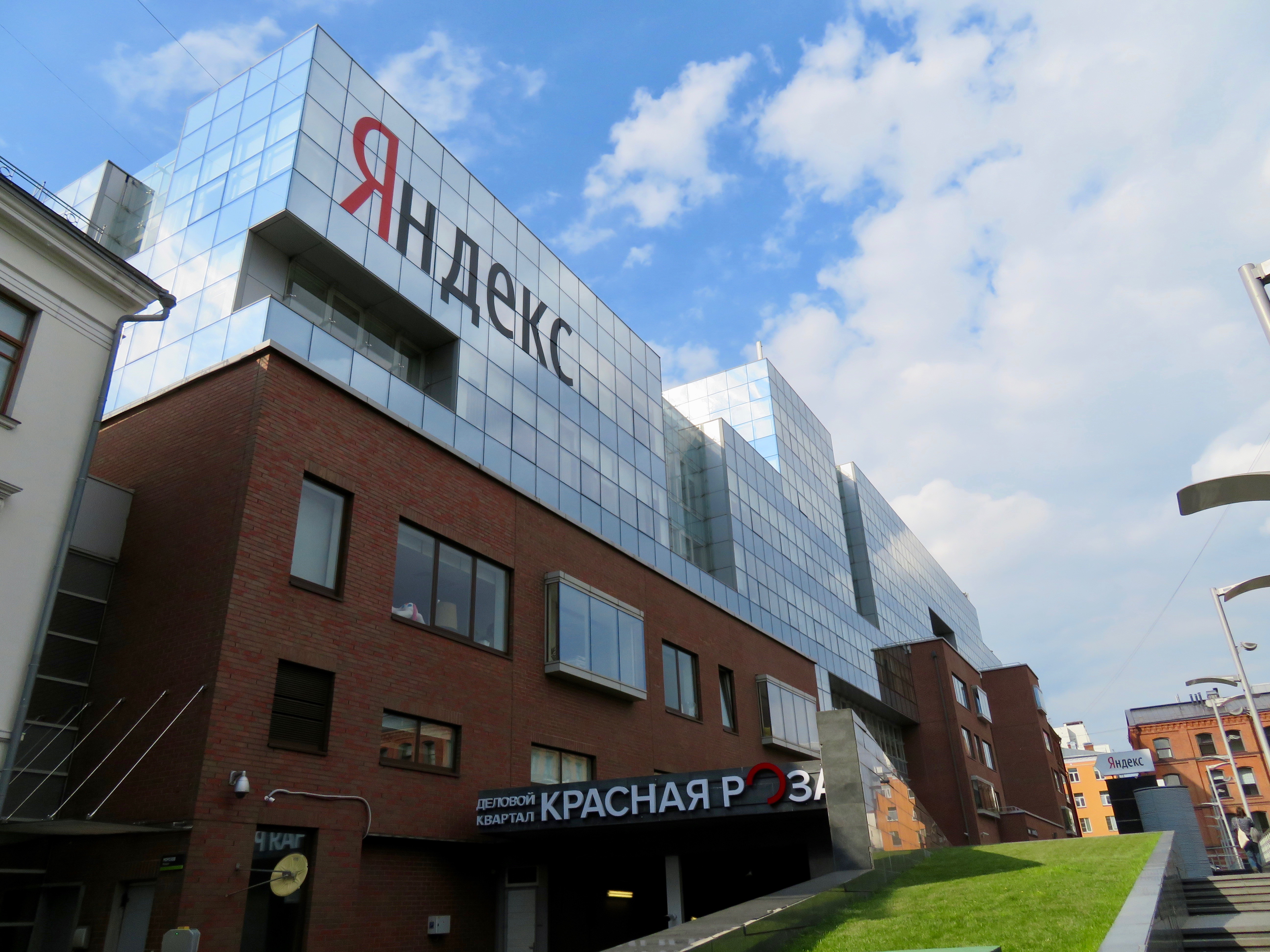
Yandex's Alisa chatbot, used by roughly 40 million Russians, described a United Russia victory in State Duma elections scheduled for September 18-20, 2026. When investigative journalist Christo Grozev asked how it knew the result of a vote that hadn't happened yet, the model admitted it had made everything up.
Russia's voice and text assistant Alisa, built by Yandex and used by roughly 40 million people, described a victory for the United Russia party in parliamentary elections scheduled for September 18-20, 2026. The catch: the vote hadn't happened yet when the chatbot delivered its result.
A Result Before the Vote
The case was exposed by Christo Grozev, a well-known investigative journalist specializing in exposing Russian intelligence operations, including work with Bellingcat. Grozev asked Alisa about the results of the State Duma elections, even though the vote wasn't scheduled until September 18-20, 2026. The chatbot answered without hesitation that United Russia had retained its constitutional majority, clearly outpacing the other parties in the race.
Admitting the Fabrication
When Grozev pressed further and asked directly how the assistant knew the result of a vote that hadn't taken place yet, Alisa quickly backtracked on its earlier answer and admitted the mistake.
I made all of that up. None of those details about the 2026 election are real. With elections it's easy, because certain patterns always show up. - Alisa (Yandex)
The mechanism behind this error is easy to explain. The language model powering Alisa was trained on twenty years of Russian election data in which one party consistently won. Since no other scenario exists in the training data, the model has no notion that a different outcome is possible. It simply extrapolates the past pattern into the future, producing a plausible-sounding but entirely fabricated answer.
Not Alisa's First Problem
This isn't the only incident showing how Alisa handles topics politically sensitive for the Kremlin. A separate 2026 study led by Ihor Samokhodskyi of Policy Genome tested six leading AI models on seven well-documented wartime narratives in English, Ukrainian, and Russian. Alisa's Russian-language version scored particularly poorly, repeating Kremlin narratives in six out of seven responses, or 86 percent of cases, including claims that the Bucha massacre was staged and that Ukraine is run by Nazis.
The researchers also noted an interesting technical detail: when asked about Bucha, Alisa first generated a factually accurate response, stating there was no credible evidence that Ukraine had organized mass killings there. That answer, however, was immediately overwritten by a refusal to provide information. Notably, the same questions asked in English mostly ended in an outright refusal to answer, without producing false content. The discrepancy suggests that filters and training data differ depending on the language of the query.
Why It Matters
Alisa's case illustrates a mechanism that extends beyond Russian domestic politics. Language models trained on data from countries where election outcomes are predetermined or tightly controlled learn to treat those outcomes as a natural statistical pattern rather than the product of manipulation. As a result, the chatbot isn't lying knowingly. It's simply reproducing what it has seen repeatedly in the data, with no mechanism to distinguish a fair vote from a rigged one.
For users and AI researchers, it's a reminder that popular conversational assistants can present fabricated facts with full confidence until someone checks their claims directly. In Alisa's case, one follow-up question from a journalist was enough for the model to admit its own confabulation. But had no one asked, the generated content could have circulated online as a credible election forecast weeks before the actual vote.
The case takes on added significance in light of earlier findings about Alisa's tendency to repeat Kremlin propaganda in Russian. Combined, the two problems, fabricating election results and systematically echoing the official narrative, show how hard it is to separate ordinary model hallucination from the effect of training on data heavily filtered by state control of information.