News
US Restaurants Pull AI-Generated Menus After Online Backlash
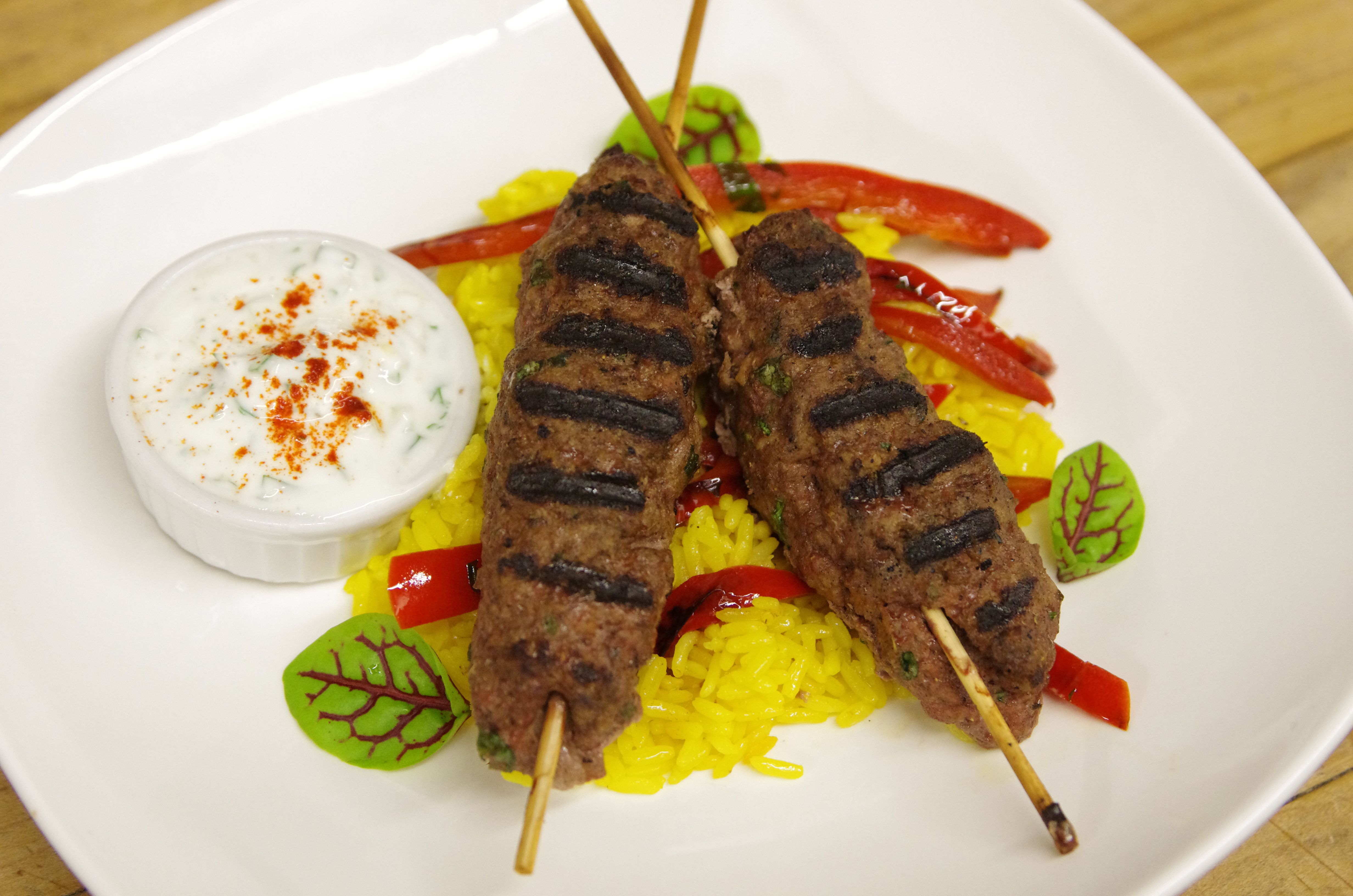
Cafes and bars across the United States are turning to free AI image generators for menus and ads, but the results, shrimp curled into rings, perfectly round ice cream scoops, horror-movie burritos, are sparking online mockery and real financial losses for owners.
Contents
A growing number of small food businesses in the United States are swapping out photos of their dishes for AI-generated images, hoping for a cheap alternative to a professional photo shoot. Internet users have dubbed the result "AI slop", and they are not holding back the mockery, sometimes even taking real action against specific businesses.
The reason for the generators' popularity is simple: they are cheap or free, and a small restaurant or food truck can rarely afford a professional food photographer. Typing a description of a dish into a tool like ChatGPT is enough to produce a ready-made image for a menu board, poster, or delivery page in seconds.
Why It Looks So Strange
According to TechCrunch, the problem stems from how image-generating models are trained on massive datasets dominated by chain-restaurant menus, think Wendy's, Burger King, McDonald's. The models optimize for "visual pleasantness" and inoffensiveness, which in practice smooths away the imperfections and details that make real food look real.
The results can be grotesque. TechCrunch describes a burrito with exaggeratedly bubbly, melted cheese that looks like avant-garde art, perfectly symmetrical scoops of ice cream, and shrimp curled into a ring around their own tails, which the authors call "Lovecraftian culinary horrors". NBC News adds examples from real establishments: scampi shrimp that resemble life preservers, a burrito with filling straight out of a horror movie, and a protein dish that looks as if it were covered in insects.
It's a bit like an alien trying to make a pizza without understanding its basic principles - Alex Lisle, chief technology officer at Reality Defender
Customer Backlash
When such images go online, the consequences can be harsh for owners who often acted in good faith, simply trying to save money. One San Francisco cafe had to pay to remove graffiti on its facade that had been left as a protest against its AI-generated menu, while another business fell victim to a wave of negative reviews and threats after a photo of its generated menu went viral.
Lyndsey Lozano, co-owner of a San Francisco cafe, told NBC News she doesn't understand the scale of the reaction to her decision to use AI for promotion. Meanwhile, posts criticizing similar practices can reach a huge audience: a post by Jill Winger, co-owner of the Chugwater Soda Fountain in Wyoming, opposing AI in food service gathered 119,000 likes, even though she herself admits to using AI for business planning.
We're no longer selling creativity... We're selling an experience - Daniel Silva, owner of the Silva Heeren design studio in Miami
The Science Behind the Revulsion
Researchers at the University of Duisburg-Essen, cited by TechCrunch, found that fake AI-generated food photos trigger a stronger disgust response than other kinds of visual fakes. It's a classic "uncanny valley" effect, in which an image is realistic enough for the brain to expect authenticity but unnatural enough to cause unease. Lee Rainie of the Imagining the Digital Future center at Elon University summed up the phenomenon as AI's tendency to "smooth out the edges", in images as well as in text.
What It Means for Small Businesses
The issue touches on a broader tension between cost pressure and brand quality. Daniel Silva, the Miami design studio owner, tells NBC News that he's seeing fewer commissions for human designers, because clients trust tools like ChatGPT when they claim a generated design is "brilliant", despite resolution and file-format problems that only become apparent once the piece is printed.
For Polish restaurants, cafes, and small businesses, this is a cautionary tale before reaching for a free generator to make their own menu or flyer. Any savings can prove illusory if the generated image ends up on Instagram or TikTok, gets mocked, or triggers a wave of criticism that then has to be extinguished with real money spent on repairing the brand's image.
According to Benzinga data cited by NBC News, some businesses are already starting to return to human-made content, noting better audience engagement rates. The trend overlaps with growing reluctance among some employees and customers toward the visible, undisguised use of generative AI in brand communications, a phenomenon researchers also link to broader skepticism about artificial intelligence in everyday life.