News
AI Data Center Protests Spread to 142 Communities in 42 US States
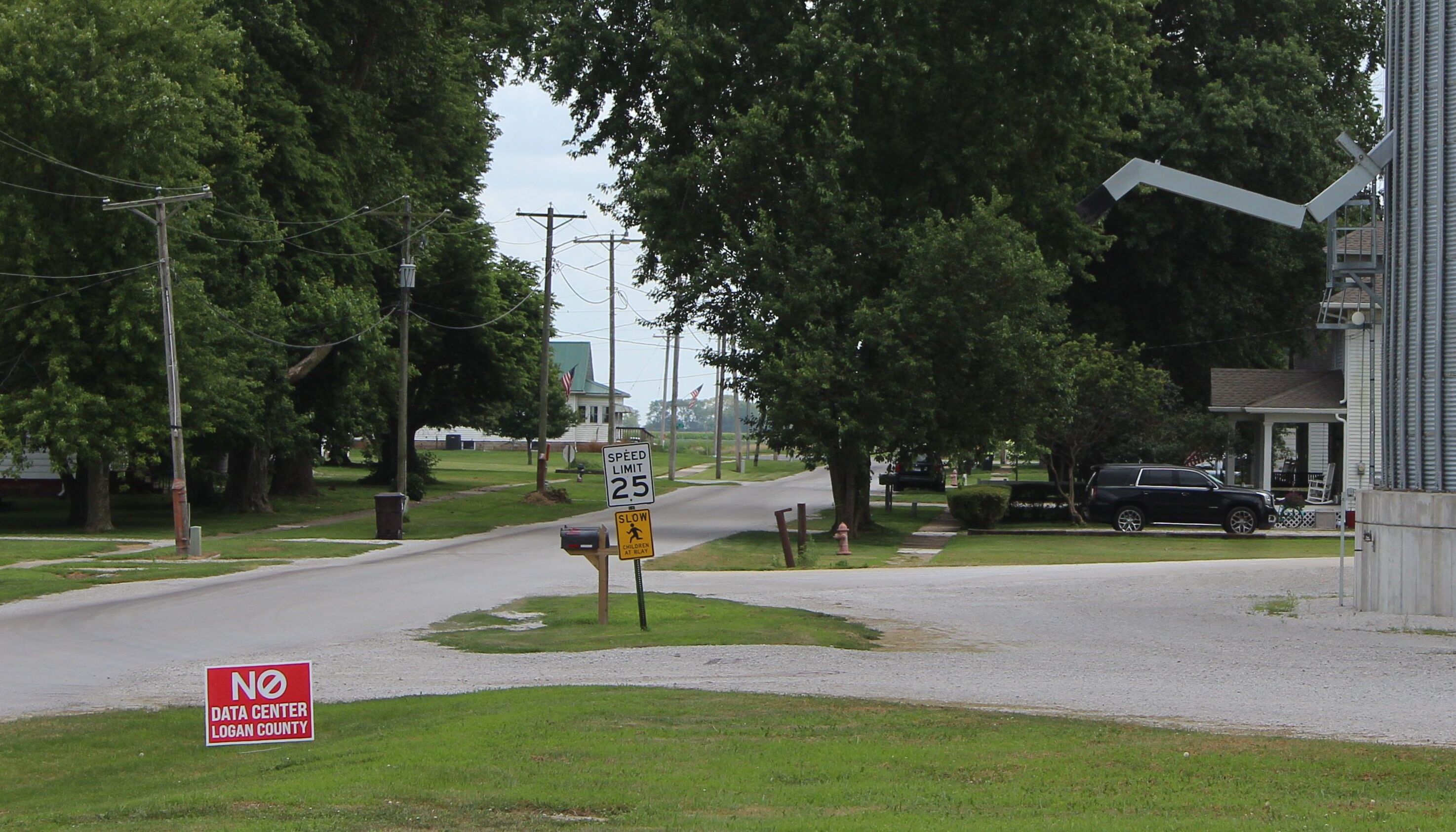
On Saturday, July 18, 2026, the United States saw its first coordinated nationwide day of protest against the rapid expansion of AI data centers, with 142 events across 42 states organized by the group Humans First. Months later, the backlash has become a major issue in the midterm election campaign.
On Saturday, July 18, 2026, residents in 42 US states took to the streets to oppose the rapid expansion of data centers powering artificial intelligence. It was the largest, most coordinated day of action in the history of the movement against AI infrastructure, with 142 separate events held in a single day, from small towns in Illinois to the suburbs of Atlanta and desert counties in California.
Who organized the protests
The action was coordinated by Humans First, an organization co-founded by Amy Kremer, previously known as a Tea Party movement leader. Media outreach was handled by Chris Barron of the agency Right Turn Strategies. Kremer stressed that opposition to data centers has no partisan color, uniting conservative small-town residents with local environmental activists who typically stand on opposite sides of the political divide.
People wake up one day and discover that a monster like this is about to be built in their neighborhood, and they simply don't want it - Amy Kremer, co-founder of Humans First
Why residents are opposed
The protesters' demands centered on four areas: greater transparency in the investment process, stricter environmental and public health standards, tangible benefits for local communities in the form of well-paid union jobs, and mechanisms to enforce the promises made by developers. In Fredericksburg, Virginia, one banner put it bluntly: we live on water, not data, referencing the enormous water consumption of server farms cooled for AI models, which reaches 260 million gallons a year at some California sites.
Residents also complained about strain on local power grids, noise and light pollution, and promises of new jobs that rarely materialize. Following the wave of criticism, some developers have begun moving their projects to remote rural areas and building their own independent power sources to bypass local resistance.
Turnout at individual events varied widely. In Atlanta, barely a dozen or so people showed up despite expectations of stronger interest, while in Imperial County, California, around fifty residents endured the demonstration despite temperatures above 38 degrees Celsius. The most individual events took place in Texas (18), Georgia (11) and California (8).
I wanted to do something more tangible than just another Facebook post - Eva Cardona, resident of Tyler, Texas
Political impact
The scale of the protest is no accident. Since 2024, dozens of local movements opposing specific data center investments have sprung up across the United States. So far they have led to more than sixty local bans or moratoriums on building such facilities, and in the first quarter of 2026 alone at least twenty planned projects were canceled.
Data centers have already become a campaign issue ahead of the November midterm elections. Since January 2026, campaign committees and outside groups have spent more than $45 million on ads mentioning data centers in races for Congress and governors' seats. The June Reuters/Ipsos poll showed that only one-third of Americans fully support the current pace of data center construction, and just 14 percent would accept such a facility in their own area.
What's next
For the AI industry, July's protest turned out to be a warning sign. Growing local resistance is increasingly translating into real investment delays, lawsuits and tightening municipal regulations, not just headlines. Tech companies that only a year earlier treated building server farms as a formality now have to reckon with information campaigns, local referendums and pressure from politicians of both parties ahead of the fall elections.
The story carries relevance beyond the US as well, since similar tensions between the promise of jobs and investment and concerns over power and water use are starting to emerge around planned AI gigafactories in Poland too. The American example shows that public opposition to AI infrastructure can grow faster than investors expect, becoming a real political factor rather than just a marginal voice of critics.