News
Poland's AI Act Rules Take Effect, but Oversight Commission Still Missing
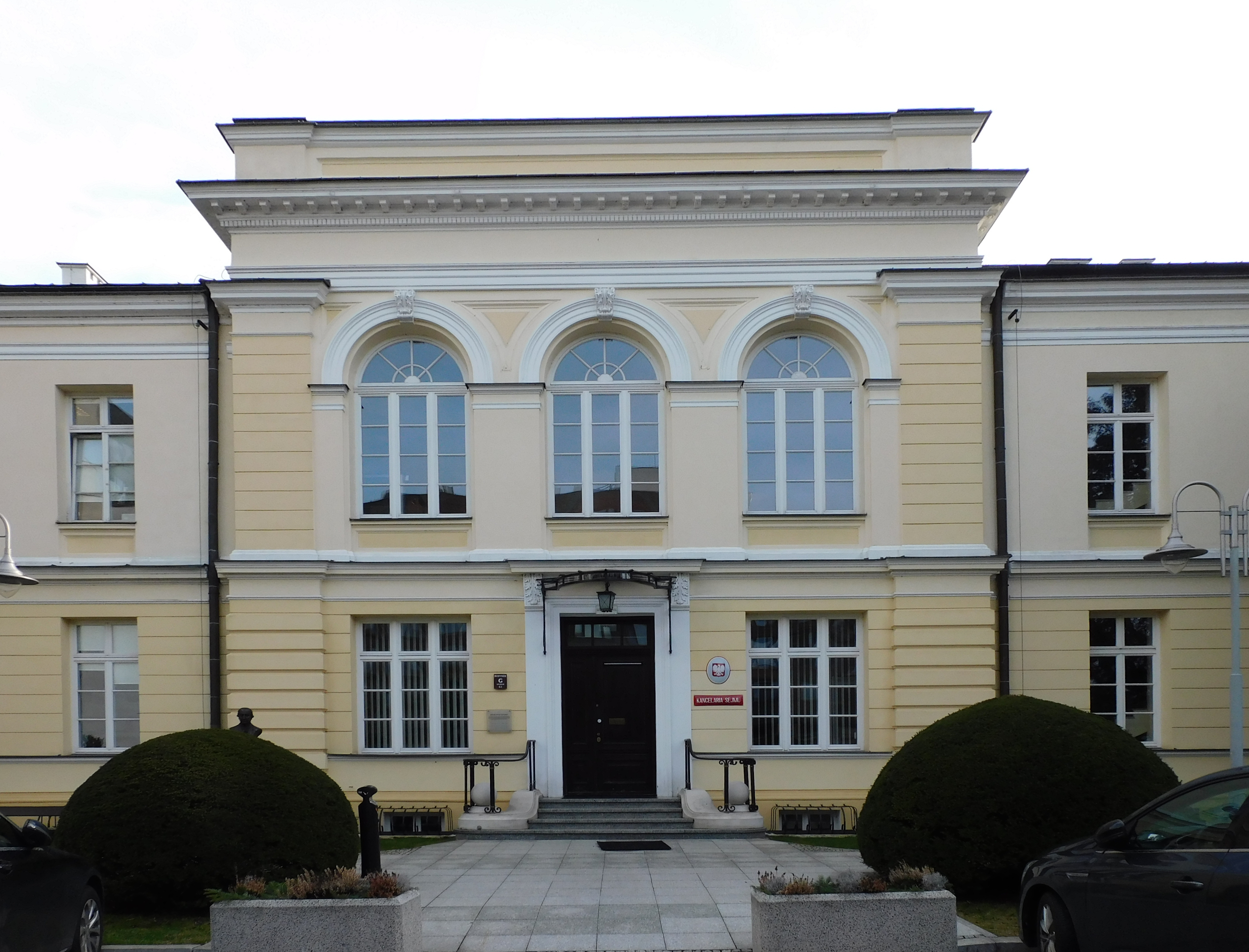
Poland's core AI systems law has been in force since August 11, but the Sejm still hasn't decided how to elect the chair of the new KRiBSI oversight commission. Legislative drafters warn the procedure could stall.
Poland's law implementing the EU AI Act has formally been in force for three weeks, but the body meant to enforce it still doesn't exist. The Sejm (the lower house of Poland's parliament) has yet to decide how it will elect the chair of the Commission for the Development and Safety of Artificial Intelligence (KRiBSI), and legislative drafters are warning of a risk that the procedure could stall.
What the Law Covers
The AI systems law transposes the EU's AI Act into Polish law. Its most important institutional element is the creation of the Commission for the Development and Safety of Artificial Intelligence (KRiBSI), Poland's national AI market surveillance authority and point of contact with EU institutions. The commission is meant to monitor compliance, review citizens' complaints, issue decisions and opinions, and impose penalties when necessary.
The law also introduces regulatory sandboxes, controlled environments where companies and public bodies will be able to test AI solutions before bringing them to market. The tool is meant to help businesses adapt to the new requirements without risking immediate penalties for mistakes made during the testing phase.
The Missing Chair
The key link in the new structure is meant to be the commission's chair, appointed by the Sejm with the Senate's consent for a five-year term. Under the law, the Sejm had two months from the date the provisions took effect, putting the deadline in early October 2026. So far, however, the chamber has not settled on the procedure for holding that vote.
Until the chair is elected, the appointment of the commission's other members cannot begin, including two deputies and representatives of the Office of Competition and Consumer Protection (UOKiK), the Office of Electronic Communications (UKE), the Polish Financial Supervision Authority (KNF), and the National Broadcasting Council (KRRiT). As a result, the entire body that was supposed to enforce AI Act compliance in Poland starting August 11 currently exists only on paper.
Legislators' Warning
Sejm legislative drafters have flagged a gap in the provisions on removing the commission's chair. The law sets no deadline by which the Senate would have to take a position on such a case, which in their assessment creates a risk of the procedure becoming functionally stuck if the upper house fails to decide within a reasonable time. It's a further sign that the rules governing the new body were drafted hastily, under pressure from an EU deadline Poland had already missed.
EU member states were required to designate national AI market surveillance authorities by August 2, 2025. Poland missed that deadline by a full year, and now, despite the law's formal entry into force, practical oversight still isn't functioning.
What It Means for Businesses
For businesses deploying AI systems, this means a period of transitional uncertainty. The obligations under the AI Act and the Polish law are formally already in force, but there's still no body companies can turn to with interpretive questions, applications to join the regulatory sandbox, or complaints about competitors' conduct. The commission's oversight and enforcement powers won't take effect until late October, with the body expected to actually start operating in November.
In practice, this means enforcement will remain largely theoretical for the first months the law is in effect. Lawyers who work on the AI Act note that this isn't new for Poland, since similar delays accompanied the rollout of earlier tech regulations, but in a fast-moving industry like AI, every month of delay carries more weight.
The next test for the new system will be the election of the chair itself. If the Sejm doesn't manage it by mid-October, the entire timeline for launching the commission, and with it the start of real oversight of Poland's AI market, will slip yet again.