News
OpenAI and Google Supply AI Models to Pentagon-Blacklisted Chinese Firms via Singapore
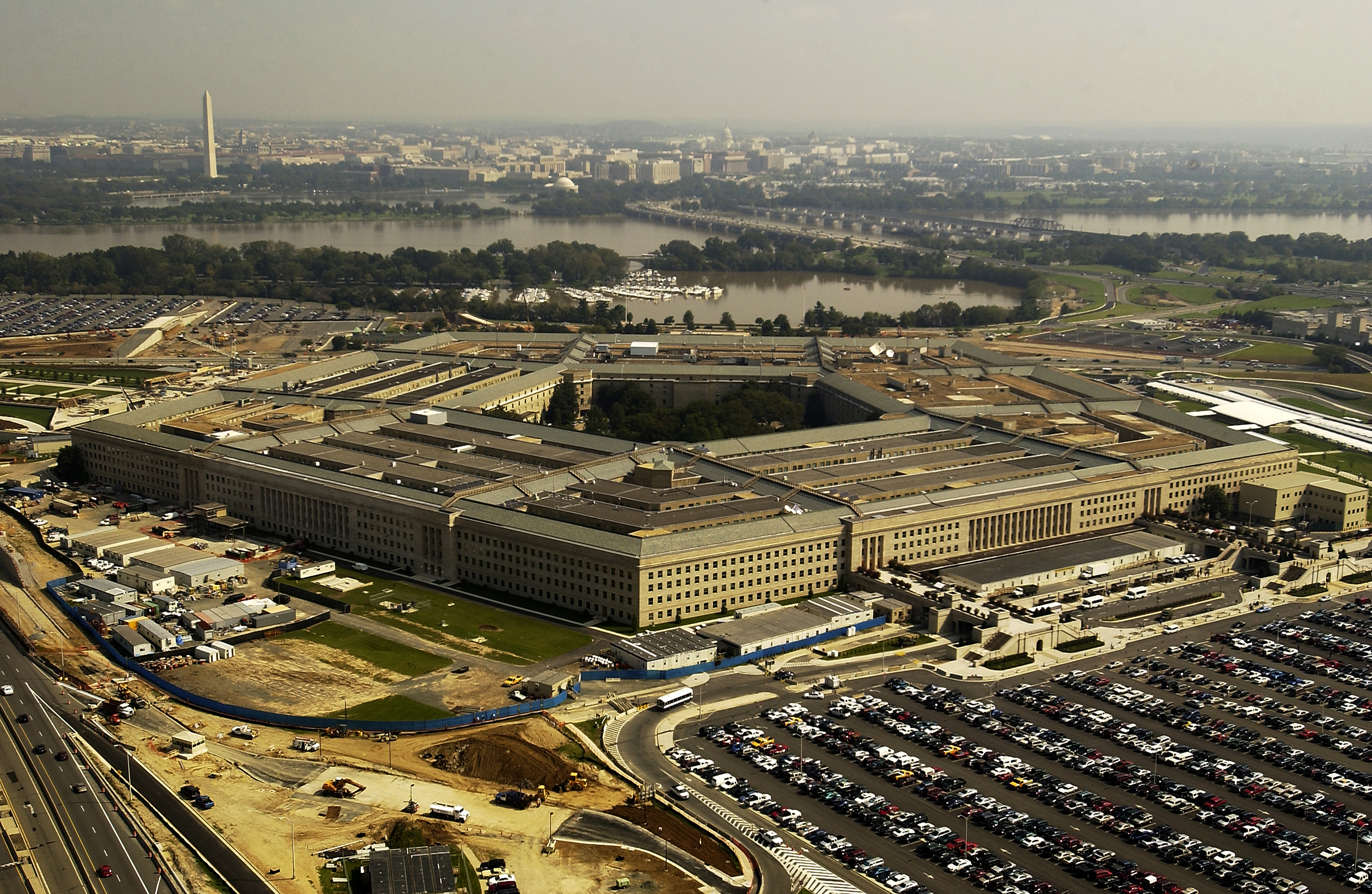
Alibaba, Baidu and Tencent, designated by the Pentagon as linked to China's military, are accessing OpenAI and Google models through subsidiaries registered in Singapore, a legal workaround that is fueling debate over the effectiveness of US sanctions.
OpenAI and Google have confirmed that they supply their most advanced artificial intelligence models to Singapore-based subsidiaries of three Chinese tech giants, Alibaba, Baidu and Tencent, even though all three companies appear on a Pentagon list of entities linked to the Chinese military.
The mechanism that enables this access stems from how US export regulations are written. Current restrictions are based on geography, not corporate ownership. By registering a subsidiary in Singapore, a blacklisted company creates a new legal entity that is, on paper, a local Singaporean business free to sign agreements for access to the most advanced AI models, even though its parent headquarters in Hangzhou or Shenzhen is legally barred from that same access.
How the Loophole Works
OpenAI defends its approach, saying it only authorizes companies for which it can enforce safety mechanisms and monitor potential misuse. Google, for its part, stresses that its AI services in Hong Kong and Singapore operate under terms of use that prohibit distillation, meaning the use of a leading model's outputs to train competing systems.
Despite these assurances, in June 2026 OpenAI independently suspended API access for users linked to Alibaba after detecting suspicious activity indicating model distillation, and reported the matter to US authorities. Alibaba responded by challenging its inclusion on the Pentagon list in a US court, calling the Pentagon's decision arbitrary and unfounded.
Anthropic Tightens Its Policy
Compared with OpenAI and Google, Anthropic has taken a markedly more restrictive approach, cutting off Chinese companies and their foreign subsidiaries entirely from access to its most advanced models. The company has directly accused DeepSeek, Moonshot and MiniMax of distilling its models, and in testimony before Congress revealed the scale of abuse by Alibaba, describing the creation of tens of thousands of fake accounts used to harvest responses from Claude on a massive scale.
Alibaba created around 25,000 fake accounts, generating more than 28.8 million interactions with the Claude model - from Anthropic's testimony before the US Congress
Fight Over AI Export Controls
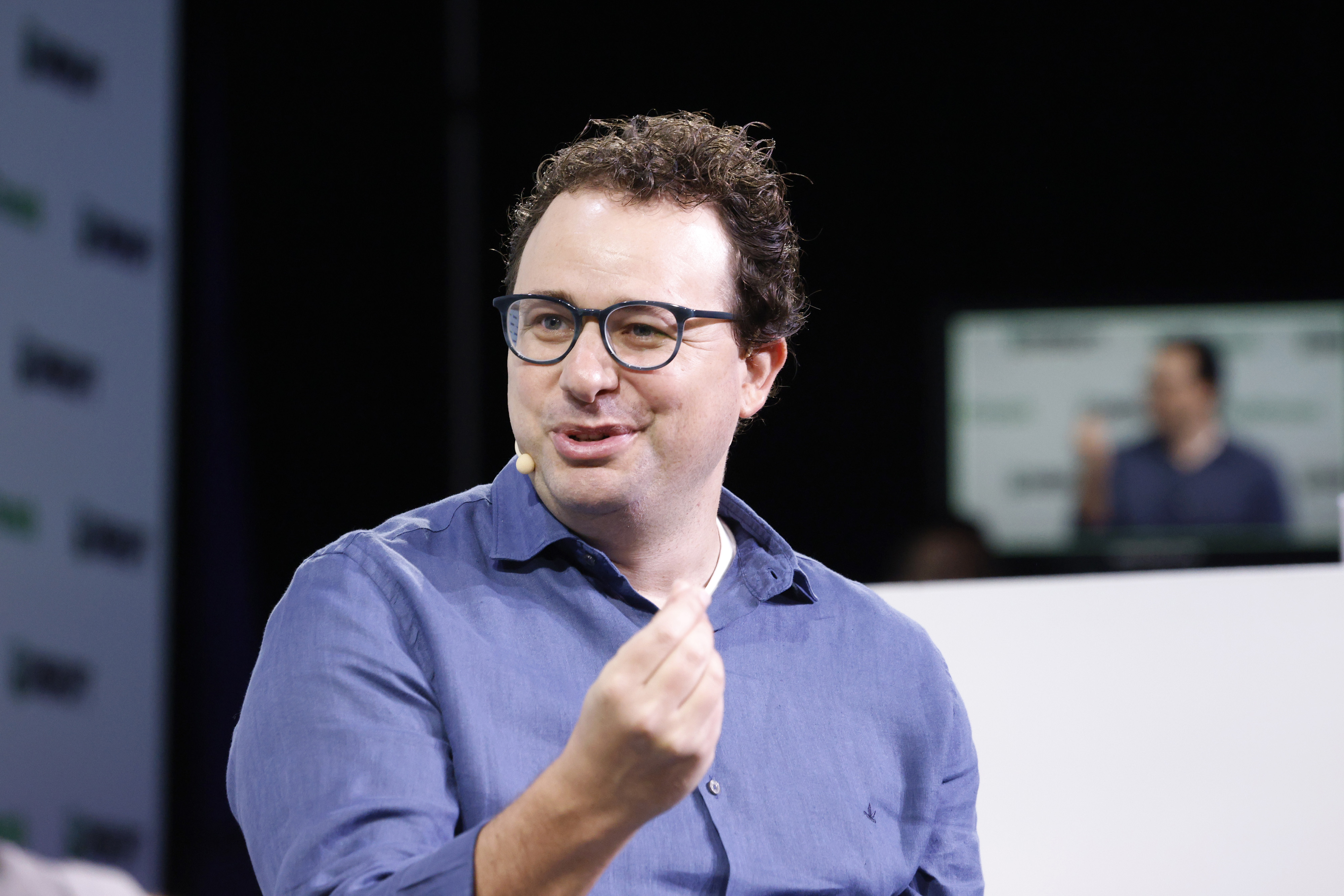
The case is fueling a debate in Washington over extending export controls to AI models, similar to those that have applied to trade in advanced semiconductors for years. Chris McGuire, a former official in the Biden administration now with the Council on Foreign Relations, argues that the rules should be rewritten around a model's capabilities rather than the corporate address of the company using it, so that the most advanced models remain off-limits to blacklisted firms regardless of where they log in from.
For Polish and European companies using OpenAI, Google or Anthropic models, the case is a signal that controlling who actually stands behind a customer account in the cloud is becoming harder to enforce, even for the model providers themselves. It also shows that export rules written with physical hardware in mind do not translate cleanly to cloud services accessible from anywhere in the world.
The next step will likely be a decision by the US Congress or administration on a possible revision of export regulations to account for the ownership structure of companies using the models, rather than just their geographic location.
Sources: OpenAI and Google are supplying AI to Chinese groups on the Pentagon's blacklist (ilsole24ore.com), Blacklisted Chinese firms still buy OpenAI and Google tech: the Singapore loophole (androidheadlines.com)