News
ChatGPT Sent Tourists Down a Dangerous Tatra Mountains Shortcut, Rescuers Deploy Helicopter
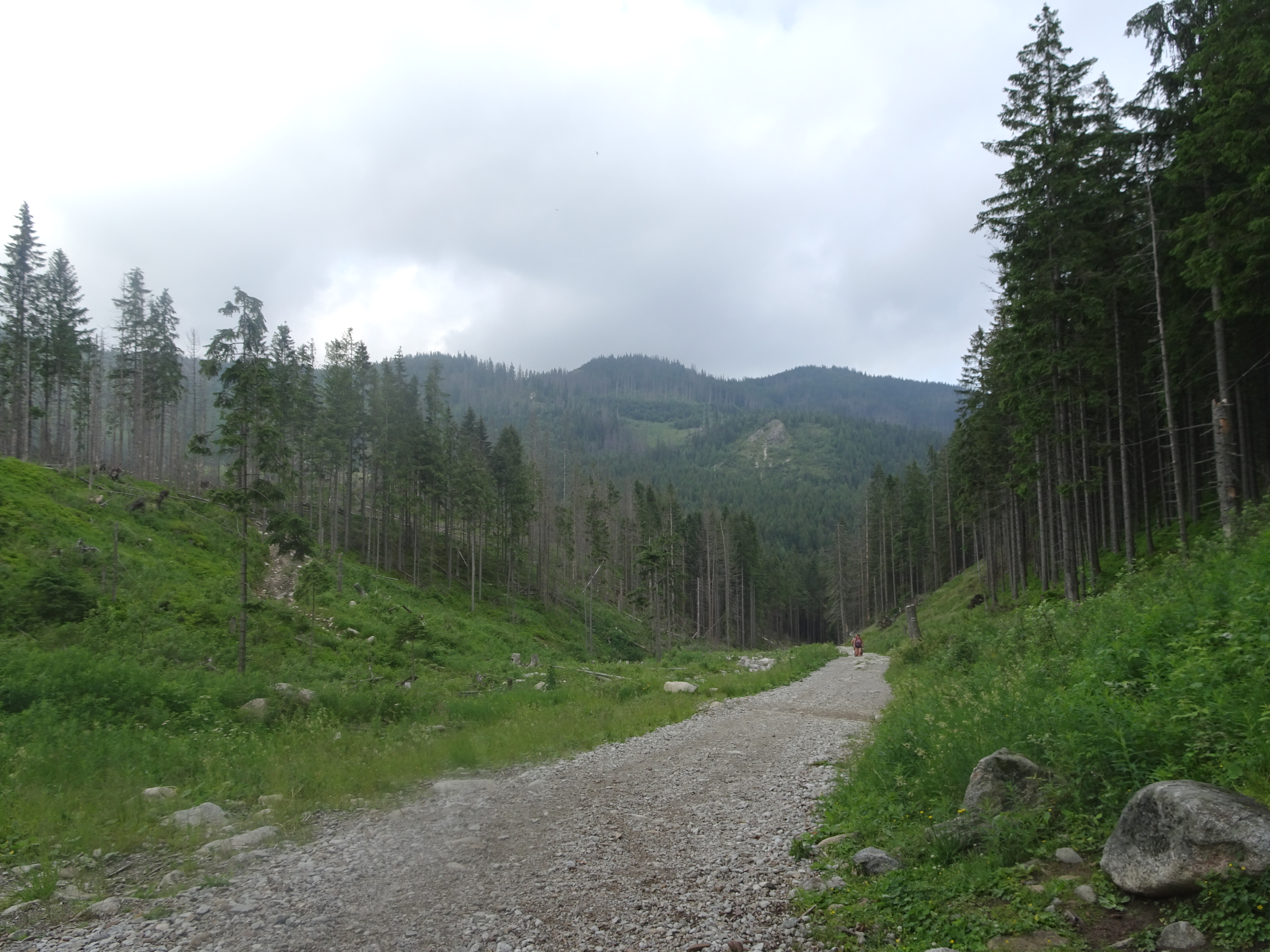
Two Lithuanian tourists got stranded in difficult climbing terrain below Niebieska Turnia in Poland's Tatra Mountains after following a ChatGPT suggestion to shortcut through Świnicka Ławka. TOPR, Poland's mountain rescue service, is warning against using AI to plan mountain routes.
Two tourists from Lithuania got stranded in difficult climbing terrain below Niebieska Turnia in the Tatra Mountains on Saturday, July 4, after following a ChatGPT suggestion in an attempt to shortcut their way to the Valley of Five Polish Lakes (Dolina Pięciu Stawów Polskich). The AI pointed them toward a passage through Świnicka Ławka, a section of the route that requires climbing skills the pair did not have. TOPR (Tatra Volunteer Search and Rescue) evacuated them by helicopter.
How It Happened
The pair of tourists was planning a route through the Tatras and looking for a faster way to reach the Valley of Five Polish Lakes, a spot popular with tourists. Instead of using marked hiking trails, they asked ChatGPT for advice. The model directed them through Świnicka Ławka, a rock formation that in reality requires climbing experience, a rope and proper belay equipment, and is not meant for hikers on foot.
Following the AI's suggestion, the tourists reached a point where they could neither turn back nor continue on their own. They became stuck on exposed, steep terrain below Niebieska Turnia on the north face of Śnica. They called for help, and TOPR's duty officers, after assessing the situation, decided to send a helicopter, since reaching the tourists on foot would have taken too long and carried additional risk.
Rescuers Respond
TOPR described the incident in a statement, directly identifying the source of the faulty route. Rescuers made no secret of their surprise that the pair had trusted a language model more than the official maps and trail markings, which in the Tatras are detailed and easily accessible through hiking apps and information boards at trailheads.
They got stuck below Niebieska Turnia in climbing terrain. As it turned out, they wanted to shorten their route to the Five Lakes by using advice from ChatGPT, which directed them through the Świnicka Ławka passage. - TOPR statement
This was not an isolated case this season. The first week of July was one of TOPR's busiest of the year, with rescuers helping 55 people during that period, including 25 interventions on Saturday, July 4 alone. Other incidents from that period included the evacuation of two climbers trapped on the northeast face of Mięguszowiecki Szczyt Wielki and a nighttime rescue operation for a scientist with a broken leg that required rope techniques.
Why It Matters
The incident illustrates the real risk of treating chatbots as mountain guides. Language models generate answers based on patterns in their training data and route descriptions found online, but they have no access to current terrain conditions, trail markings, or knowledge of which passages require climbing gear. In the mountains, where a navigation error can cost a life, that gap can prove critical.
Poland's mountains have long drawn tourists from across Europe, and the growing popularity of AI assistants as trip-planning tools means similar mistakes could happen again. TOPR is urging hikers to choose their mountain destinations sensibly and not overestimate their own abilities, regardless of where their route information comes from.
Advice for Tourists
Rescuers point out that before heading into the Tatras, it is worth using official maps and hiking apps published by the Tatra National Park (Tatrzański Park Narodowy) and checking current notices about trail closures. AI chatbots can be helpful for general trip planning, but they cannot replace the knowledge of a mountain guide or local, up-to-date information about trail conditions and weather.
The story from Niebieska Turnia made headlines just as a broader discussion is underway in Poland about accountability for faulty recommendations generated by AI systems, including in the context of new regulations requiring that users be clearly informed when they are talking to a machine. When it comes to advice about physical safety, such as mountain routes, the consequences of a mistake can be far more serious than in a typical chatbot conversation.