News
Meta Tests Data Center Robots, but Floor Cables Keep Tripping Them Up
Meta is deploying robots from Watney Robotics, Kinova, and ABB in its data centers to replace cables and restart servers. As Wired reports, the machines still get tripped up by basic conditions, and one employee estimates a working system could take over as much as 80 percent of their duties.
For more than a year, Meta has been testing industrial robots in its data centers designed to take over the physical work of technicians: replacing network cables, restarting servers, and reseating components in server racks. A report by Wired, cited by iMagazine, shows that the machines still lose to simple obstacles like cables lying on the floor or LED indicators showing the wrong color for the recognition system.
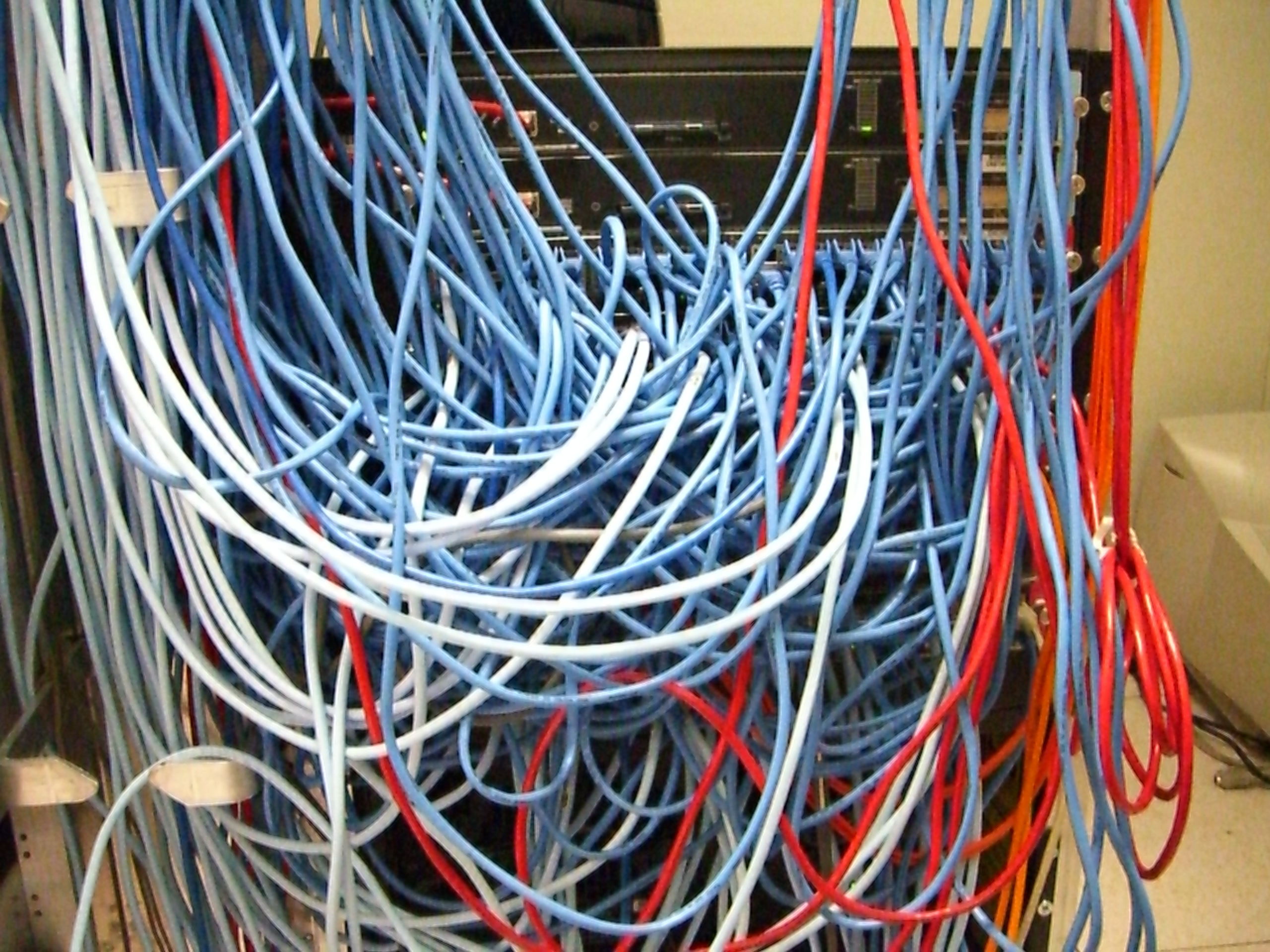
The biggest surprise in Wired's report isn't the limitations of the algorithms controlling the robots, but the mundane physical conditions inside the data centers. Autonomous inspection carts get stuck on cables scattered across the floor, and the vision systems responsible for checking equipment status sometimes struggle to correctly read indicator lights. The robots also can't move between buildings within the same complex on their own: to transport a machine to a neighboring sector, engineers have to physically load it into a delivery van.
What the Robots Actually Do
Since June 2025, two dual-arm Watney robots have been working in Altoona, handling network and power cabling. In New Albany, at the complex known as Prometheus, Meta is testing four-wheeled ABB machines equipped with a lifting mechanism and a six-axis arm, used to reposition shifted components and potentially gain greater autonomy in the future. Separately, Meta is testing a Kinova Gen3 arm that handles physically restarting servers and reseating, the process of reinserting components into their sockets.
There's also a single-fingered robot learning to press the physical power buttons on Mac Mini computers used in parts of the infrastructure, plus a separate system designed to replace network cables at larger scale. None of the machines yet operate without human supervision.
Slower Than a Human
Even though the robots can correctly plug a cable into a port, they do it many times slower than an experienced technician. On top of that, they need regular battery charging, forcing breaks that a human shift doesn't require. Helen Oleynikova, CEO of industrial automation firm Exclaim Robotics, described the state of the field to Wired by saying there are plenty of pilots and demos on the market, but still no proven, working solution.
It's not about switching off the lights and handing over control to algorithms - from the Wired article describing Meta's tests
We thought those of us doing physical work were safe for a while longer, but not anymore. This is going to affect all of us, unfortunately - a Meta employee quoted by Wired
Job Concerns
Wired's report lands at a moment of growing political sensitivity around automation in the US, just ahead of the midterm elections. Meta officially avoids detailed comments on the scale of the testing. Company spokesperson Francis Brennan told Wired that the company continues hiring and training specialists to build and operate data centers, because the industry needs more workers, not fewer, amid an accelerating US construction boom tied to AI infrastructure.
The Meta employee quoted by Wired, however, estimated that an effective automated cable-replacement system could eventually eliminate as much as 80 percent of the tasks currently performed in some technical roles, a figure that contrasts with the company's official message about growing demand for physical labor in building and maintaining data centers.
Industry Implications
Data centers running AI models are growing at a pace that's difficult to build and maintain with human labor alone. Automating physical maintenance work, such as replacing cables or restarting hardware, is one piece of that puzzle, alongside power and cooling. Meta's example shows, however, that the road to fully autonomous data centers is longer than marketing announcements suggest, and the technical barriers can be surprisingly mundane.
For Polish companies building or planning data centers, the lessons from Meta's tests carry practical weight: robotic automation of physical work in server rooms remains at the pilot stage, backed by human oversight, rather than a deployment-ready standard. Investors tracking AI infrastructure development should treat announcements of fully automated data centers with caution until data on the real-world performance of such systems at production scale becomes available.