News
Anthropic's Claude Independently Designed Therapeutic Proteins in the Lab
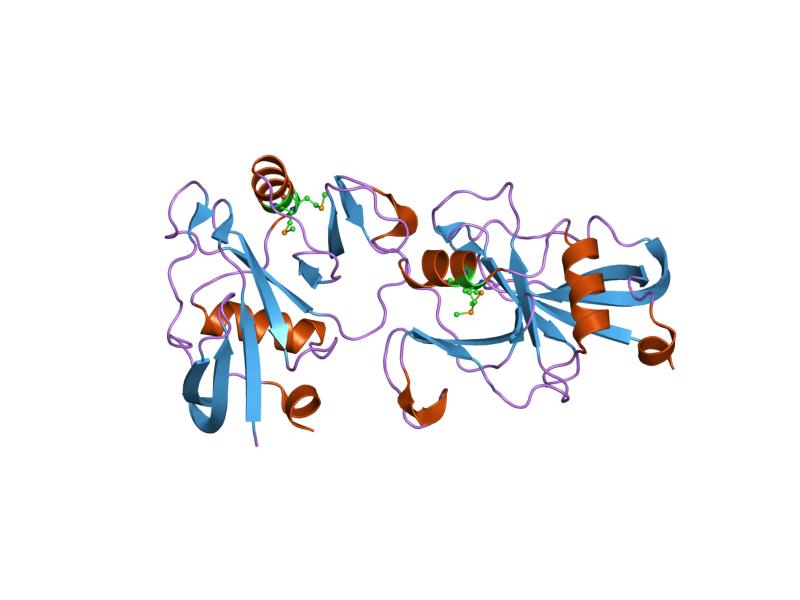
Claude Opus 4.8 and Mythos Preview ran an entire protein-binder design campaign, from target selection to final sequences, without human scientific oversight. Independent labs Adaptyv Bio and Twist Bioscience verified the results.
Contents
Anthropic has published the results of an experiment in which Claude Opus 4.8 and Claude Mythos Preview independently designed binding proteins for 14 of 15 selected therapeutic targets. The company says that once the campaign launched, its staff gave the models no scientific or technical guidance, limiting themselves to approving access and monitoring infrastructure.
How the Experiment Worked
The models ran the full research workflow: analyzing the therapeutic target, selecting the epitope, generating structural scaffolds, optimizing amino acid sequences, and ranking candidates. Their only point of reference was a roughly 16,000-word text protocol describing the experiment's goals. In multi-target mode the campaign ran for 48 hours and used up to 12,500 compute hours on Nvidia H100 GPUs; in single-target mode, up to 2,500 hours per target within 24 hours.
The designed sequences were sent anonymously to Adaptyv Bio's automated laboratory. There, DNA was synthesized using a cell-free method, proteins were produced via robotic pipetting, and binding strength was measured using surface plasmon resonance, at five target concentrations with duplicate measurements. Twist Bioscience ran an independent, parallel validation of the same designs.
Results Against the Competition
For the RBX1 target, Mythos Preview achieved a 40 percent success rate, while participants in an industry protein-design competition averaged 3.7 percent. For the TNF-alpha target, Opus 4.8 designed binding molecules that worked effectively against the human, monkey, and mouse variants of the same protein, something that usually requires separate design rounds for each species.
The model performed worse on two harder targets: for an artificially designed beta-barrel structure it produced only three confirmed binders, and for a maltose-binding protein it found no working candidate at all. Anthropic acknowledges these are known weak spots of current protein-design methods, regardless of whether a human or a language model is running them.
Why This Raises Concerns
Anthropic explicitly calls these capabilities dual-use technology. Without proper safeguards, the same skills could be used to conduct dangerous research, including work on biological weapons.
These capabilities are also dual-use technology: without robust safeguards, they could enable bad actors to conduct dangerous research, such as developing biological weapons - Anthropic
For that reason, the protein-design feature has not been rolled out to the publicly available Claude Fable 5 and remains reserved for trusted-access programs covering vetted research institutions and business partners. Opus-class models for analytical chemistry applications, unlike protein design, are available more broadly.
What This Means for Labs
For biotech companies, what matters is not just the outcome of a single experiment but the fact that the entire research process, from hypothesis to verified product, could run without ongoing scientist supervision. Anthropic estimates the cost of such a campaign at 10,000 to 50,000 dollars, a level accessible to a mid-sized lab rather than only to large pharmaceutical companies.
It's another sign that biotech labs are no longer treating AI agents merely as a supporting tool but as independent executors of parts of the research cycle. Anthropic notes that the results were verified by two independent outside companies rather than by Anthropic itself, meant to boost the credibility of the published figures with a scientific community accustomed to skepticism toward AI companies' claims.
For Polish research institutions and biotech startups, the takeaway cuts both ways. On one hand, falling costs for designing binding proteins open the door to advanced research without access to large teams of molecular modeling specialists. On the other hand, access to the most powerful tools of this kind remains restricted precisely because of the risk of misuse, meaning Polish labs will have to go through the same vetting procedures as other foreign institutions seeking access.