News
Pichai Admits Google Is Losing to Anthropic and OpenAI on AI Coding
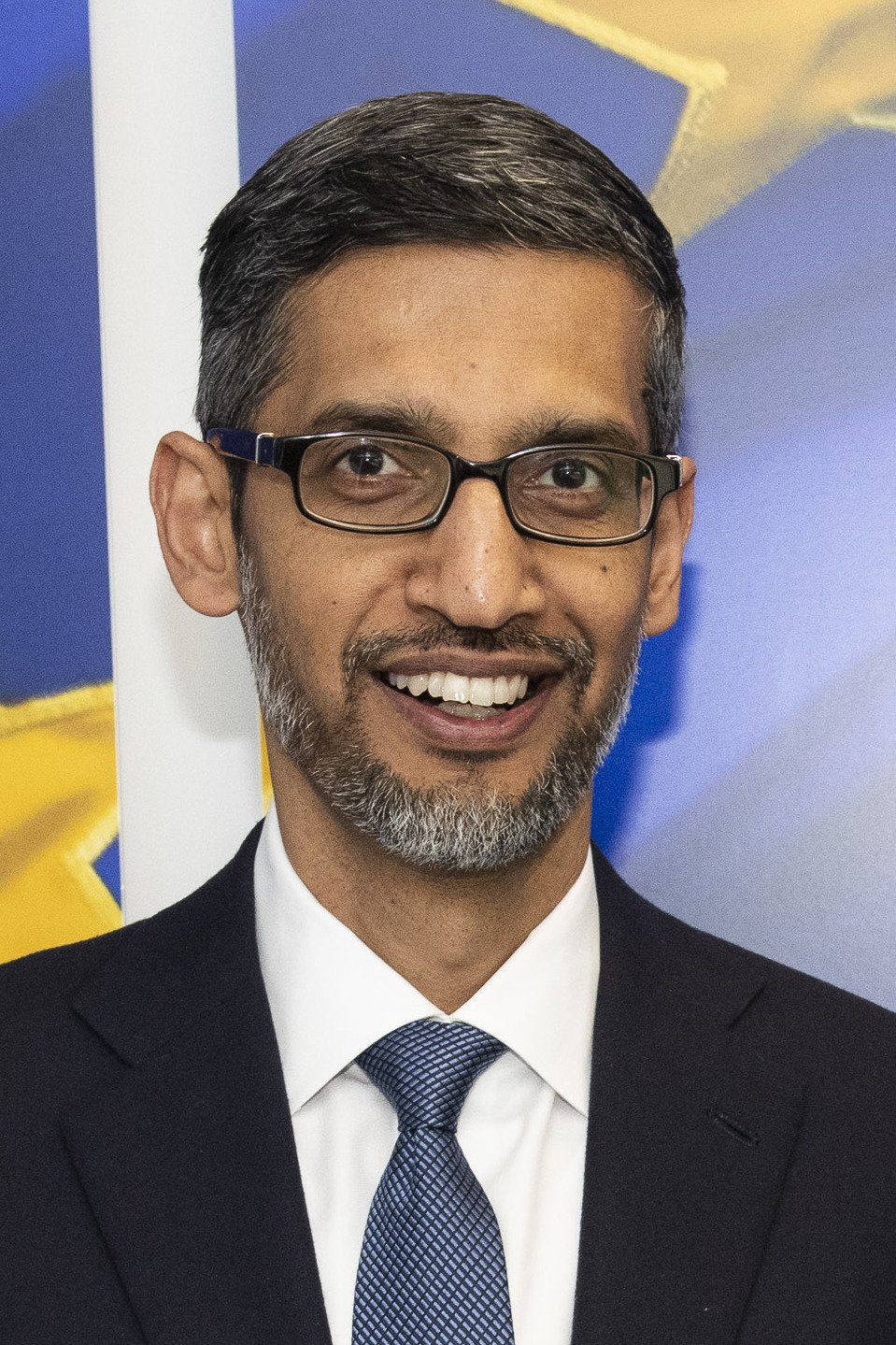
During Alphabet's Q2 2026 earnings call, Google and Alphabet CEO Sundar Pichai openly admitted the company lags behind Anthropic and OpenAI in AI coding, pinning his hopes for catching up on Gemini 4, a model still in pre-training.
Contents
Sundar Pichai rarely admits to Google's weaknesses in front of investors. During Alphabet's second-quarter 2026 earnings call on July 21, the company's CEO directly pointed to an area where his firm is losing to Anthropic and OpenAI: coding and agentic programming. The answer, he suggested, is Gemini 4, a model still in the pre-training phase.
What Pichai Said
The remark came a day after Google released Gemini 3.6 Flash, a model billed as faster and better at programming than its predecessor. Analysts pressed further, though, asking why the flagship Gemini 3.5 Pro still hadn't launched, even as competitors kept rolling out new versions of their coding models.
We clearly had frontier models. There are many attributes where we are still at the frontier, but there are also areas where we've acknowledged we need to improve, and coding and agentic coding are examples of that - Sundar Pichai, CEO of Google and Alphabet
This isn't the first such admission. Back in May, Pichai said Google was "a little behind" on agentic coding, attributing it to the lack of a developer product generating usage data comparable to competitors' tools. This time, though, the admission came alongside a concrete fix: a new, significantly larger generation of the base model.
Gemini 4 as the Answer
Pichai confirmed that Gemini 4 is already in training. According to him, the company needs "significantly larger base models" to compete at the frontier of artificial intelligence in the next generation. No specific parameters were disclosed, though, not model size, context window, or release date.
We are training Gemini 4 now, and we are approaching it very ambitiously - Sundar Pichai, CEO of Google and Alphabet
Based on the pace at which the company has released previous model generations, analysts estimate Gemini 4 could debut in November or December 2026. In the meantime, Google says it plans to release further variants of the 3.x Flash series at nearly a monthly cadence, to bridge the gap until the true successor arrives.
Financial and Personnel Context
The admission of weakness came despite strong financial results. Alphabet reported revenue of $119.8 billion, up 24 percent year over year, while the Google Cloud segment grew 82 percent to $24.8 billion, with a backlog reaching $514 billion. Net income of $112.1 billion, however, included roughly $80 billion in unrealized gains from its stake in Anthropic, the very company Google just named as a coding rival.
The company also raised its 2026 capital expenditure forecast to a range of $195-205 billion, signaling further growth in 2027. Pichai described Google as "supply-constrained" on computing capacity, framing it as evidence of demand rather than a problem.
In the background, key researchers keep departing. In June, Noam Shazeer, a co-creator of the Gemini models, left for OpenAI, while John Jumper, a Nobel laureate and creator of AlphaFold at DeepMind, moved to Anthropic. Both companies are direct rivals to Google precisely in coding and agentic programming tools.
Gemini's Scale Despite Delays
Google emphasizes that despite the delays in coding, Gemini's deployment scale remains large. The company processes 22 billion API tokens per minute, and roughly 500 cloud customers each process over a trillion tokens annually. The Gemini app already has 950 million monthly active users, and nearly 90 percent of Fortune 100 companies use Gemini Enterprise.
For Polish companies and developers, the situation mainly means continued uncertainty over which model provider will lead in developer tools. Choosing between Gemini, Claude Code, and tools built on OpenAI's models still comes down to ongoing testing rather than any one player's stable advantage, especially since coding leaderboard rankings shift from month to month.
It remains an open question whether the sheer scale of the new base model will be enough to reverse the trend. Competitors aren't standing still: Anthropic keeps developing new versions of Claude, and OpenAI is aggressively pushing its agentic coding tools. Until Gemini 4 arrives, Google will have to defend its position mainly through further updates to the Flash series.