News
Meta Announces New AI System to Fight Scam Ads in Poland After €250 Million Fine Threat
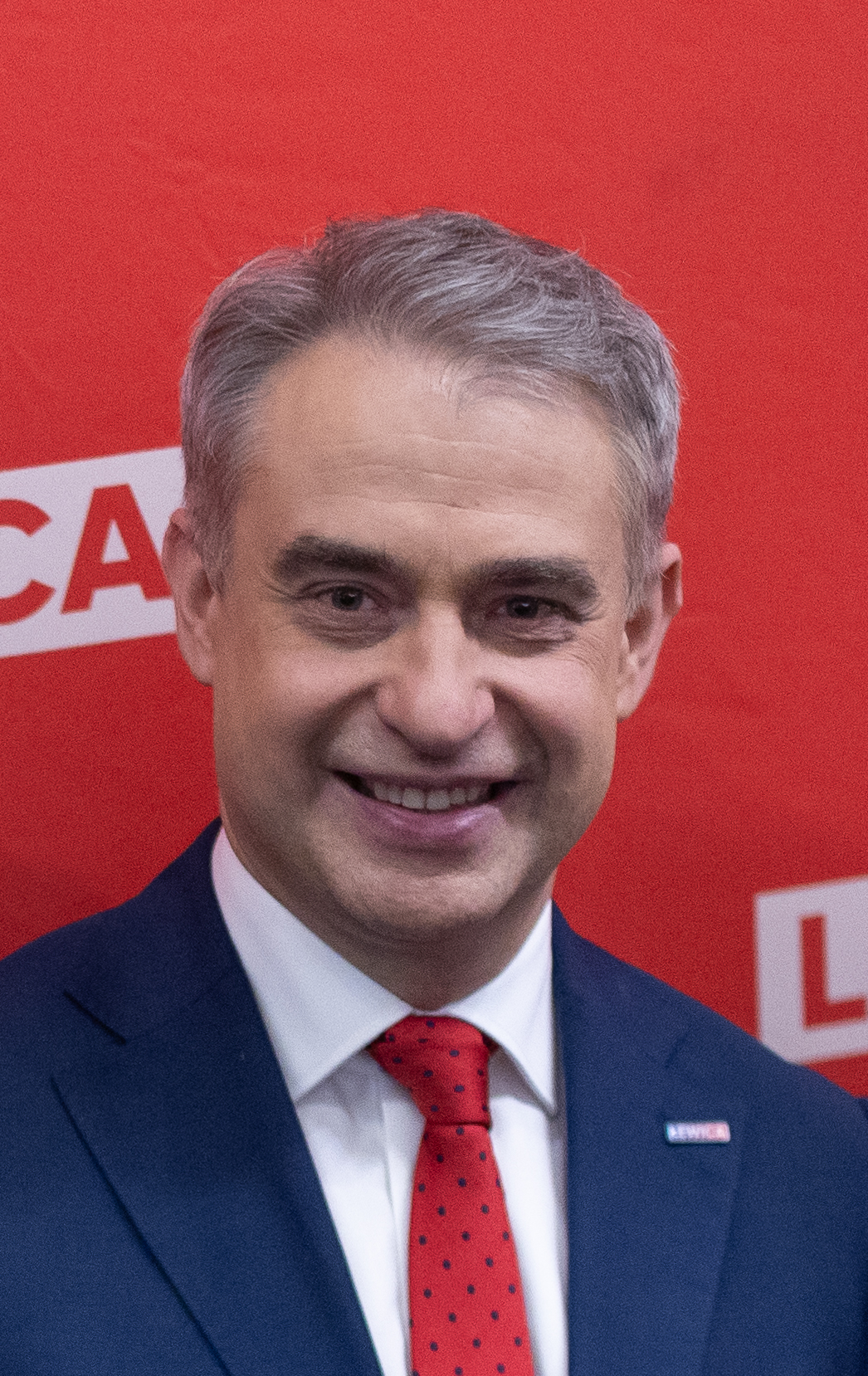
Meta announced on Friday a strengthened AI system to detect fake ads in Poland and full identity verification for financial advertisers, a day after Digital Affairs Minister Krzysztof Gawkowski asked the European Commission to fine the company €250 million.
Contents
Meta announced on Friday, August 28, 2026, a package of new measures against fraudulent ads in Poland, including an improved AI system for detecting accounts impersonating well-known figures and mandatory identity verification for all advertisers in the financial sector. The announcement came a day after Deputy Prime Minister and Minister of Digital Affairs Krzysztof Gawkowski submitted a formal request to the European Commission for a €250 million fine against the company.
What Meta Announced
The company said Poland is among the first group of European countries to receive an upgraded version of its AI system for proactively detecting threats. The tool is designed to automatically block accounts impersonating celebrities, politicians and business figures before a fake ad reaches its audience. Meta said its current AI systems have already cut reports involving the most frequently misused likenesses by more than 80 percent.
The second part of the announcement concerns advertiser verification. Until now, identity checks covered only some financial-sector companies advertising to users in Poland. Meta said that within the coming weeks, this requirement will extend to all advertisers in that industry. Globally, the company says that by the end of 2026, 90 percent of ad revenue is expected to come from fully verified accounts, up from 70 percent in 2025.
Pressure From Polish Authorities
Meta's announcement is not a goodwill gesture but a response to mounting pressure. According to research from Poland's Ministry of Digital Affairs and NASK (the national research institute), only a small share of reported fraudulent content is quickly verified and removed from Meta's platforms. Gawkowski argued that if the company can deliver an ad to millions of users within minutes, it should be equally capable of removing fraudulent content just as quickly.
On Thursday, August 27, the deputy prime minister sent a formal letter to European Commission Vice-President Henna Virkkunen, demanding a €250 million fine under the EU's Digital Services Act. The request followed a test conducted by CERT Polska, in which Meta failed to remove as many as 86.8 percent of ads reported as fraudulent.
Trust in Meta's actions does not exist, only concrete results can rebuild it. - Krzysztof Gawkowski, Deputy Prime Minister and Minister of Digital Affairs
Brzoska's Campaign and Meta's Response
The dispute was also fueled by InPost CEO Rafał Brzoska, whose likeness has been used for months in fake investment ads on Facebook and Instagram. Brzoska launched a platform called ScamWatch documenting Meta's inaction on reports, and in mid-August publicly criticized specific Meta executives responsible for the Polish market on LinkedIn. Meta responded with a warning that publicly naming and targeting its employees online endangers their safety.
Prime Minister Donald Tusk commented on the dispute, noting the diplomatic complications arising from the fact that the current US administration strongly backs Meta's position in talks with European regulators. This makes it harder for Warsaw and Brussels to strictly enforce EU rules against the American company.
The fight against fraudsters never ends, and announcements like today's show our determination to use every available resource to combat fraud. - Meta
What It Means for Polish Businesses and Users
For Polish financial institutions, this means a new formal requirement in practice: to advertise on Facebook and Instagram, financial-sector companies will have to undergo full identity verification, which is meant to cut off anonymous entities behind fake investment ads from the platform. Experts cited by media outlets estimate that Meta still earns more than 20 million zlotys a day in Poland from ad content linked to fraud, illustrating the scale of the problem despite the claimed progress.
The fate of Gawkowski's request for a €250 million fine now rests with the European Commission, which must determine whether the changes announced by Meta amount to a sufficient response or merely a reputational move meant to preempt formal proceedings. Brzoska has already said that even a fine of this size is too low, since Meta spends more money lobbying in Brussels than the sanction would amount to.