News
Google Moves Hassabis Out of DeepMind's Top Job as Brin Gains Sway Over Gemini
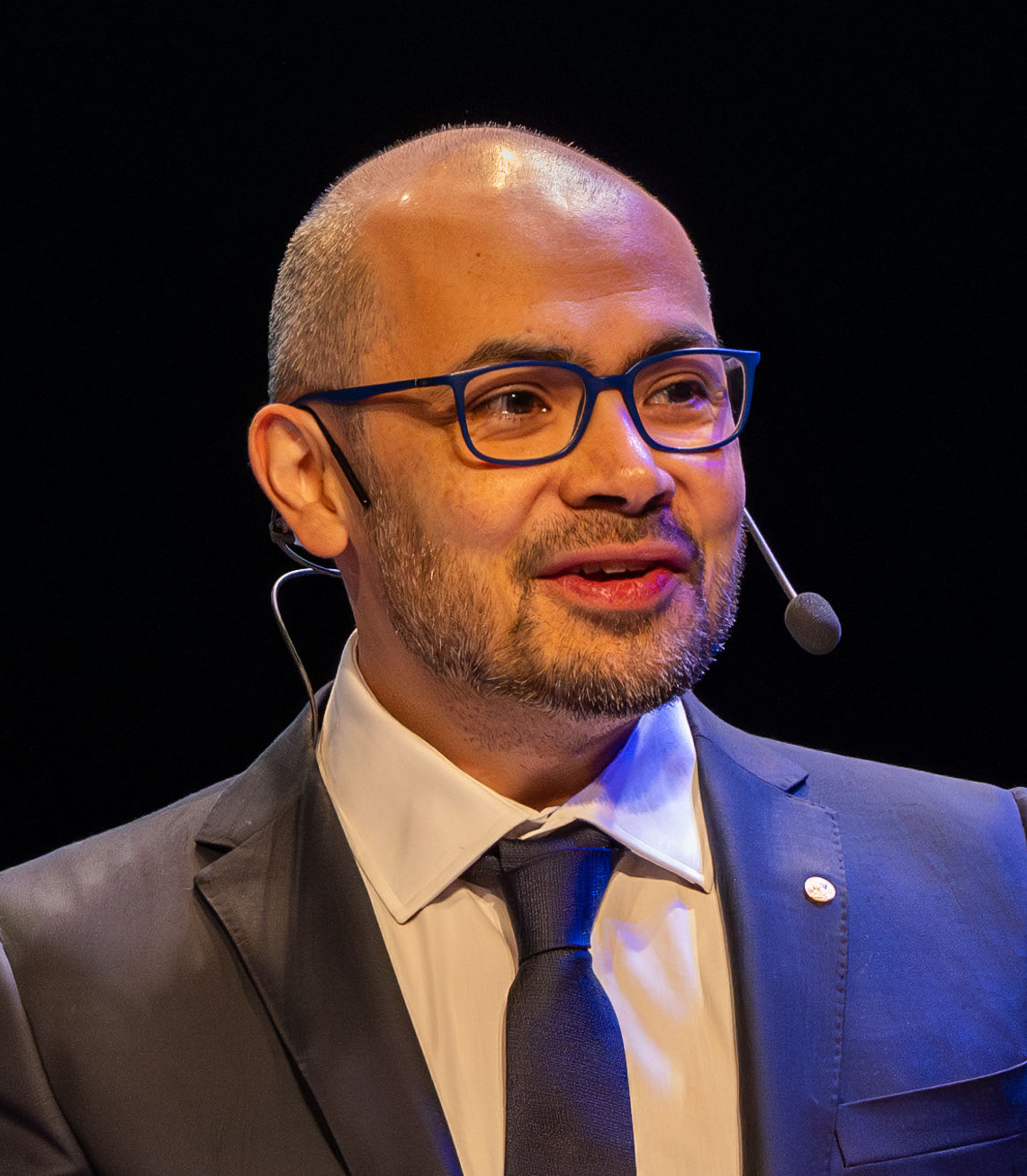
Demis Hassabis is stepping down as CEO of Google DeepMind to become chairman and chief scientist of Alphabet, with Koray Kavukcuoglu taking over day-to-day management. Google co-founder Sergey Brin has spent months pushing AI teams to accelerate work on Gemini.
Contents
Google is carrying out one of the biggest leadership shake-ups in its artificial intelligence division in years. Demis Hassabis, founder and outgoing CEO of Google DeepMind, is moving to the role of chairman and chief scientist of Alphabet, stepping back from day-to-day management of the company in favor of Koray Kavukcuoglu.
What's actually changing
Hassabis isn't leaving the company, but he's losing direct oversight of day-to-day work on Gemini. As chairman of DeepMind and chief scientist of Alphabet, he's expected to focus on strategy around artificial general intelligence (AGI), scientific research, and Isomorphic Labs, the AI drug-design company he co-founded.
Day-to-day management of DeepMind is being taken over by Koray Kavukcuoglu, previously DeepMind's chief technology officer and Alphabet's chief AI architect. His new title is senior vice president, not CEO, and he will report directly to Alphabet and Google CEO Sundar Pichai. He is now the one overseeing development of the Gemini models.
The reorganization extends to other parts of the organization as well. Lila Ibrahim, the outgoing Chief AI Readiness Officer, will start reporting to James Manyika instead of directly to top leadership, and AI safety teams could be placed under the oversight of Kent Walker, president of global affairs. DeepMind's communications, legal, and marketing teams are expected to be merged into Google's own structures.
Sergey Brin's role
Although the Google co-founder holds no formal executive position at the company, he has been informally involved in its AI work for months. According to reports based on accounts from sources familiar with the matter, Brin pushed key AI staff to focus on Gemini and pressed for computing power to be redirected toward work on recursive self-improvement of systems.
In April 2026, Brin spoke to hundreds of Google DeepMind employees at a company-wide meeting, calling for faster progress as competitors, including Anthropic, pulled ahead with their models. His involvement had a real effect on the priorities of entire projects inside DeepMind.
If I had stayed retired, I think that would have been a big mistake - Sergey Brin, Google co-founder
Competitive pressure and talent exodus
The reorganization comes as Google grapples with delays to its own models and the departure of top researchers. The company pushed back the launch of the next flagship version of Gemini by two months after the model continued to lag behind rivals in internal testing, including on coding tasks.
On top of that, the company is losing key people. Jeff Dean, a 27-year Google veteran and the company's outgoing chief scientist, is leaving to co-found Discovery Loop, a public benefit company focused on automating scientific and engineering research using machine learning. He's being joined by other former Google employees, including Sanjay Ghemawat, Oriol Vinyals, and Quoc Le, and Alphabet is expected to be one of the investors funding the new venture.
Other leading researchers had already left the company before that, including Noam Shazeer, who joined OpenAI, and John Jumper, who moved to Anthropic. The reorganization is seen as a response to growing pressure from OpenAI and Anthropic, which have pulled ahead of Google on model quality in recent months, particularly in coding.
What it means for Google
The symbolic shift of power from London, where DeepMind's headquarters had been based for years, to teams centered around Mountain View, California, signals that Google wants to tie AI research more closely to the commercial Gemini product. For a company that spent years touting DeepMind's scientific prestige, including the Nobel Prize awarded to Hassabis and John Jumper for their work on AlphaFold, it marks a shift in priorities toward faster shipping at the expense of some of the team's scientific autonomy.
For Polish companies using Gemini models and Google Cloud customers, the reorganization mainly means uncertainty about the pace of upcoming model updates in the coming months. The market reacted to the news with an Alphabet share price drop of about 5 percent, underscoring how much weight investors place on stable leadership at the AI divisions of the biggest tech companies.