News
AI Memory Boom Is Killing the Budget Smartphone Market

Memory prices for cheap smartphones have risen by as much as 400 percent in a year as chipmakers redirect production capacity to AI servers. Omdia analysts say plainly that making phones under $100 has become impossible.
Contents
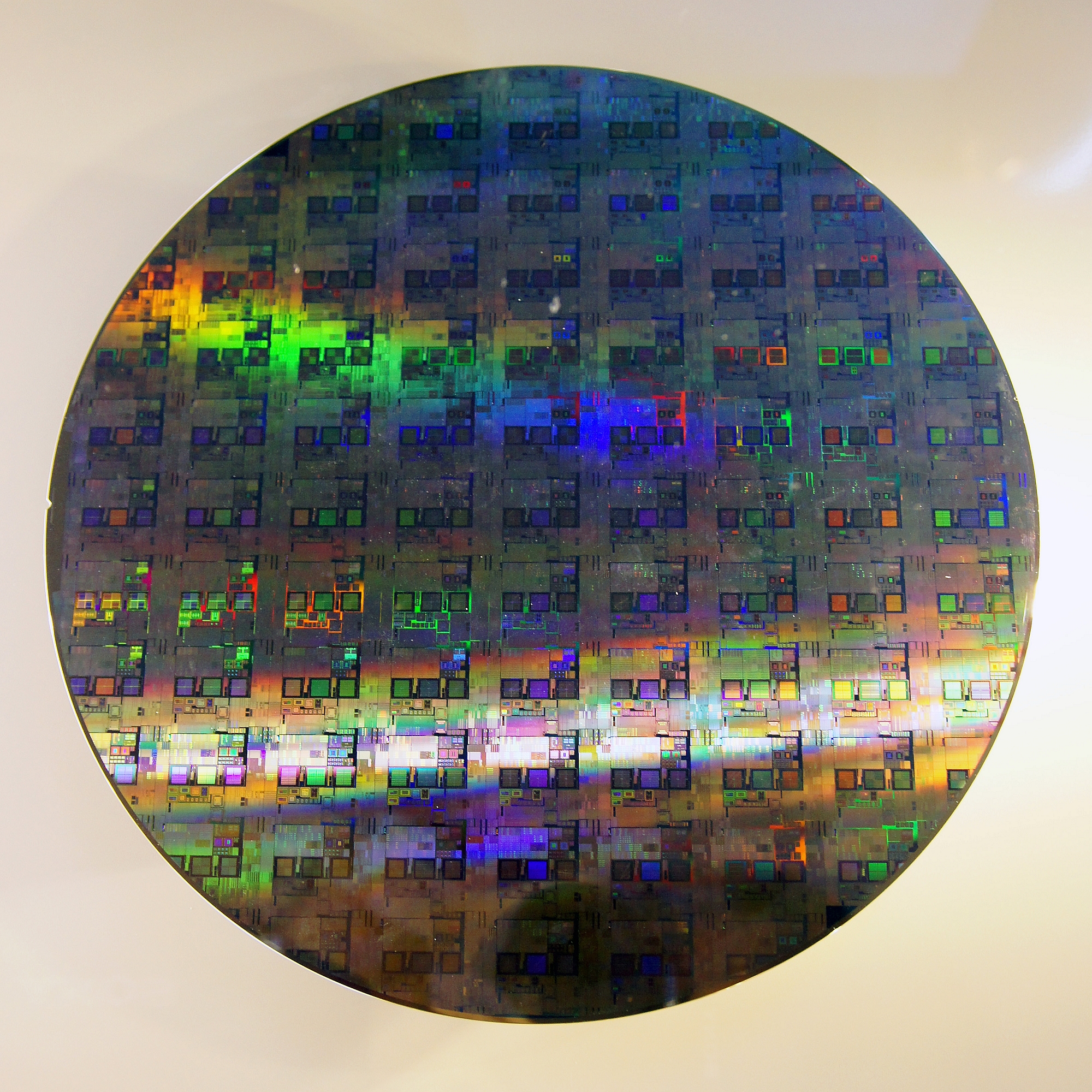
The cheapest smartphone segment, phones priced under $100, has effectively stopped being profitable for manufacturers. The cause is a sharp rise in DRAM and NAND memory prices, driven by the investment boom around artificial intelligence. Companies like Samsung, SK Hynix and Micron are shifting production lines toward advanced memory chips for AI servers, leaving the mobile market with smaller and increasingly expensive scraps of production capacity.
The data comes from research firm Omdia, cited among others by Computerworld.pl and the South China Morning Post. Jusy Hong, senior research manager at Omdia, puts it bluntly: making smartphones priced under $100 has become absolutely impossible under current market conditions. Said in the context of the global mobile market, that statement marks the end of an era in which the cheapest Android phones served as the first entry point into smartphones for hundreds of millions of users across Asia, Africa and Latin America.
Where the shortage comes from
The cause lies on the demand side, not supply in the sense of a breakdown or production disaster. The growth of generative AI requires enormous amounts of high-bandwidth memory, chiefly HBM chips built into AI accelerators from Nvidia, AMD and other makers. The construction of new data centers is pushing orders to Samsung, SK Hynix and Micron to levels their factories cannot handle alongside production of cheaper, simpler mobile memory.
The effect ripples through the chain. Memory makers are shifting production lines to more profitable server chips, cutting supply of the standard LPDDR and NAND chips used in budget phones. Prices for these simpler chips are rising because demand from smartphone makers remains high while available production capacity shrinks. DRAM prices have been climbing at this pace since 2022, but only now are they reaching a level at which making the cheapest models no longer makes economic sense.
Manufacturers cut specs
Xiaomi and Oppo posted double-digit shipment declines last quarter. Vivo raised the price of the iQOO 15 by 1,500 yuan, several hundred zloty in equivalent terms. Some manufacturers are trying to protect their margins without raising prices outright, instead stripping out other components. Zaker Li, an Omdia analyst, describes it as an attempt to save margins by drastically cutting the specifications of other components, meaning weaker cameras, smaller displays or cheaper batteries in exchange for keeping the memory price stable.
Making smartphones priced under $100 has become absolutely impossible under current market conditions - Jusy Hong, senior research manager, Omdia
Vendors are trying to protect margins by drastically cutting the specifications of other components - Zaker Li, analyst, Omdia
Scale of the problem
Forecasts for all of 2026 point to a 12 percent drop in smartphone shipment volume. Analysts warn that global phone sales could fall to levels not seen in more than a decade if memory prices fail to stabilize in the coming quarters. They tie the return of ultra-cheap devices to the moment memory production capacity catches up with the new demand, which could take at least a year or longer. Similar price pressure is starting to hit the personal computer segment too, where RAM is becoming an increasingly large share of a device's final cost.
What this means for buyers
For users in developing countries, where phones under $100 are sometimes the only affordable entry point to the internet, the disappearance of this category means a real reduction in access to the network. In Poland the effect will be less severe, since the domestic market had already shifted toward mid-range models, but price increases in the budget segment and skimpier specifications on new models at this price point can still be expected. Companies planning to replace their fleets of work phones might consider extending device lifecycles or leasing models instead of buying outright, to spread the rising costs over time.
The history of cheap smartphones shows that the tech market can end up hostage to investment in a completely different segment. The AI boom, which is driving record Big Tech spending on data centers, is now directly shaping what kind of phone you can buy for under 400 zloty. The coming quarters will show whether memory makers can expand capacity fast enough to avoid the permanent disappearance of the cheapest smartphone category from the market.