News
ADATA Chairman: DRAM Shortages Could Last Another Decade
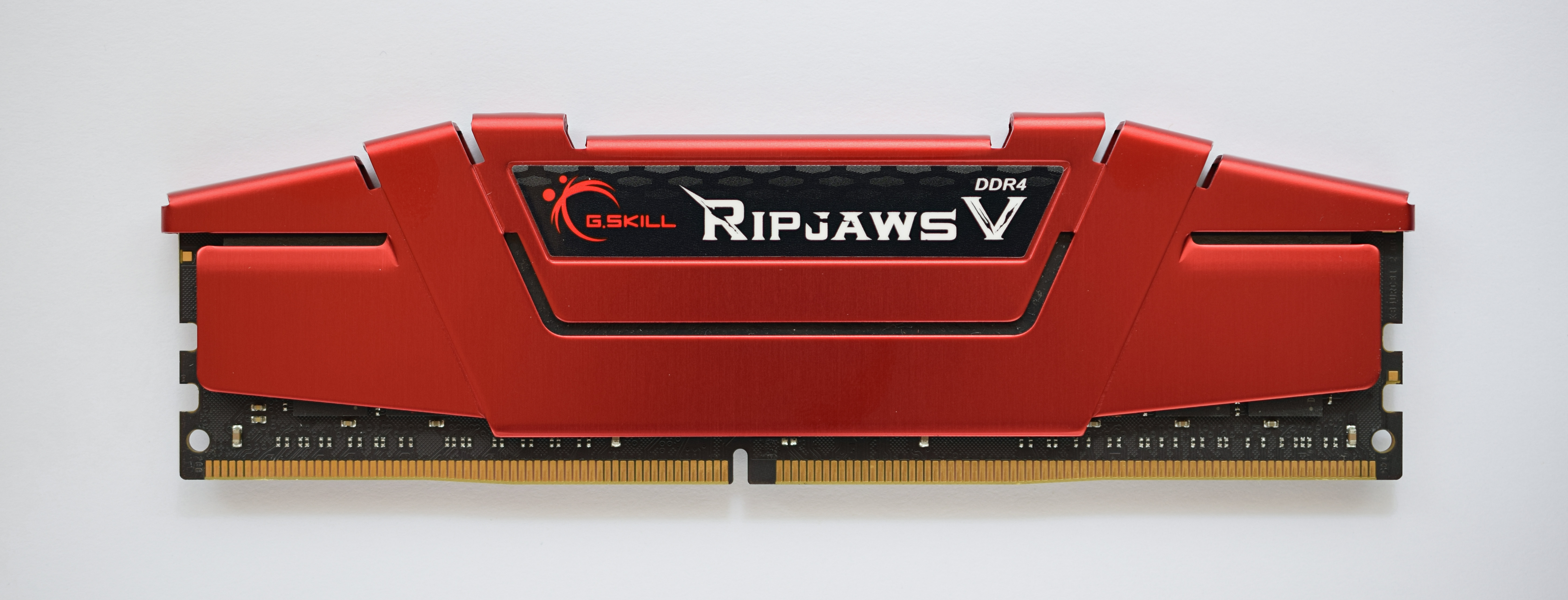
ADATA chairman Chen Li-bai says talk of an AI bubble bursting is premature, arguing that DRAM and NAND memory shortages could persist for as long as another decade.
Contents
The head of Taiwanese memory maker ADATA, Chen Li-bai, argues that talk of an AI market bubble bursting is premature. In his view, demand generated by AI data centers is so strong that shortages of DRAM and NAND storage could persist for another decade.
Chen Li-bai's comments, cited in Taiwanese trade press and picked up by the Polish outlet ITHardware, fit into a string of increasingly pessimistic forecasts coming from memory manufacturers. Previously, the same ADATA chief spoke of a crisis lasting at least four years. Now he is pushing the horizon further out, pointing to a fundamental shift in demand structure driven by the growth of large language models.
Four lines at once
Chen stresses that never before in his career has he seen a situation where supply falls short simultaneously across all four main memory production lines, RAM, flash, SSDs, and traditional hard drives. The memory market has typically moved in cycles, with periods of shortage and high prices alternating with periods of overproduction and cheap components. This time, he says, that mechanism has stopped working.
The reason lies in the scale of purchases made by data center operators. OpenAI, Amazon Web Services, and Microsoft are buying memory and storage in volumes that seemed unrealistic just two years ago, since training and running ever-larger AI models requires far more operating memory than typical server workloads.
Bubble talk waits until 2030
The key part of Chen's statement concerns the debate over an AI investment bubble, which regularly resurfaces after every major correction in tech stocks. ADATA's chairman believes it is far too early to take that discussion seriously.
Only after 2030 will it be worth asking whether the AI bubble will burst in 2040 or maybe 2050 - Chen Li-bai, ADATA chairman
The argument rests on the assumption that AI applications in robotics, autonomous vehicles, and factory automation are only just starting to enter the market. Until those segments mature, demand for computing power, energy, and memory will keep growing rather than shrinking.
Why new factories won't help quickly
Memory manufacturers, including Samsung and SK Hynix, are ramping up production, in some segments by as much as roughly 30 percent. Even so, they cannot keep pace with orders from AI data center operators. The problem is the time needed to build new factories and bring production lines online, most of which are planned only for 2028-2035.
That means that even if AI demand stabilized right now, supply would not catch up any faster than within several years. Chen points to electricity and memory as the two resources that will remain in the shortest supply over the next decade.
What this means for consumers and businesses
For individual customers and companies buying computer hardware, ADATA's forecast means that rising prices for RAM modules, SSDs, and laptops are not a temporary disruption but a state of affairs to plan around for years. Earlier market analyses, previously cited by ITHardware, pointed to a crisis lasting until 2027. Chen's forecast is significantly more pessimistic.
For Polish IT companies and hardware integrators, this means having to plan component purchases further in advance and factor in higher production costs for hardware based on DDR4 and DDR5 memory. The scale of the price increases will affect finished computers as well as servers and mobile devices.
Not everyone in the industry shares such a long time horizon. Some analysts believe the memory market will stabilize sooner than ADATA's chairman suggests, especially if the pace of investment in new AI models slows down. Chen himself, however, admits that analysts' forecasts so far have consistently underestimated the real demand generated by the AI sector.