News
Spanish Scientists Develop AI Method to Detect Alzheimer's From Sleep Data
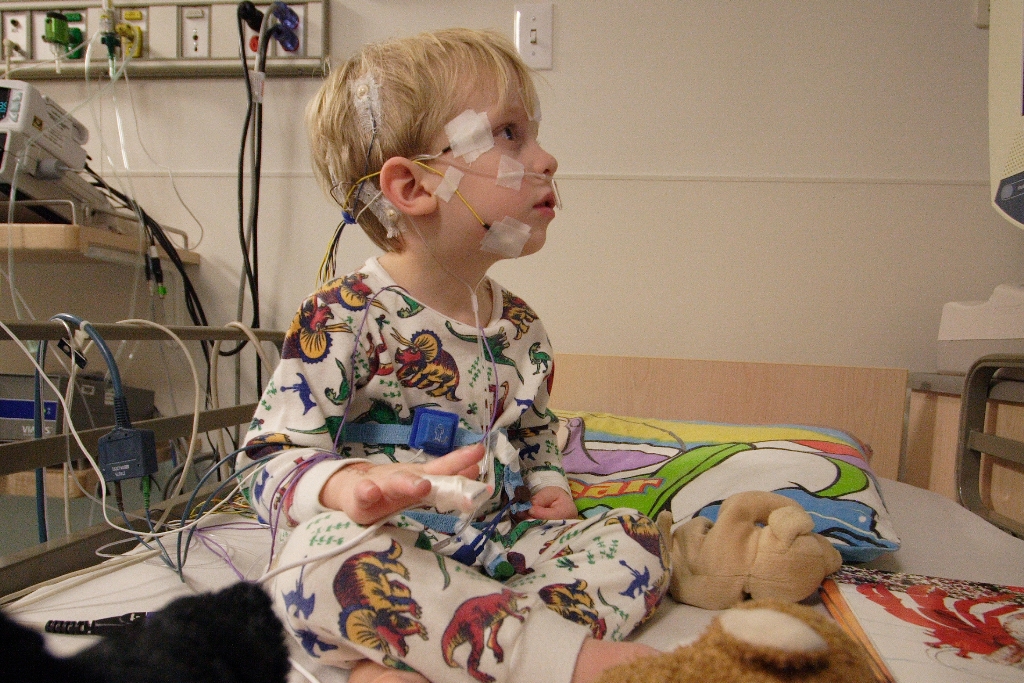
A team from Universidad Carlos III de Madrid showed that AI analyzing brain electrical activity during sleep can distinguish healthy people from Alzheimer's patients with high accuracy, opening the way to cheaper diagnostics without a lumbar puncture.
Researchers from Universidad Carlos III de Madrid (UC3M) and the Severo Ochoa Hospital in Leganés have developed a method in which artificial intelligence analyzes nighttime brain electrical activity to detect early changes associated with Alzheimer's disease. The study was published in the journal GeroScience in early July 2026.
The researchers' starting point was the observation that sleep is a period of heightened activity in the glymphatic system, the mechanism through which the brain clears metabolic waste, including beta-amyloid protein. The accumulation of beta-amyloid and tau protein is one of the biological hallmarks of Alzheimer's disease, which is why brain recordings taken during sleep may carry information unavailable from daytime tests.
How the method works
Study participants underwent a standard polysomnography test, in which electrodes placed on the scalp record neuronal activity throughout the night. This data was then fed into machine learning models that searched for patterns distinguishing a healthy brain from one undergoing early neurodegenerative changes.
The researchers compared the AI analysis results with key biomarkers measured in cerebrospinal fluid, such as beta-amyloid, phosphorylated tau, total tau, and neurofilament light chain. This comparison allowed the algorithm not only to distinguish healthy individuals from patients with high accuracy, but also to split Alzheimer's patients into three distinct biological subgroups differing in their biomarker profiles.
Recording electrical activity during sleep gives us insight into biological processes - Arrate Muñoz-Barrutia, professor at the Department of Neurobiology and Biomedical Sciences, UC3M
Why early diagnosis matters
The study's authors emphasize that currently available Alzheimer's drugs are effective only when administered in the early stages of the disease, before permanent neuronal damage occurs. The problem is that today's diagnostics rely mainly on lumbar puncture to collect cerebrospinal fluid or on costly PET imaging scans, which are not widely available and can be burdensome for patients.
A method based on sleep analysis and AI could become a cheaper, non-invasive screening tool that could be carried out using a test many patients already undergo for other reasons, for example in the diagnosis of sleep apnea. The research team included, among others, Anna Michela Gaeta, a pulmonologist at Severo Ochoa Hospital, Lorena Gallego Viñarás of UC3M, as well as neurologist Gerard Piñol Ripoll and pulmonologist Ferrán Barbé from hospitals in Lleida.
Limitations of the study
The study group was relatively small, 42 Alzheimer's patients and 58 healthy volunteers, which is typical for the early validation phase of new diagnostic tools, but it means larger studies on more diverse populations will be needed before the method can be introduced into everyday clinical practice. The researchers say they plan further work to refine the algorithm and check whether the three identified patient subgroups correspond to different rates of disease progression or different responses to treatment.
For Polish institutions working in neurodegenerative diagnostics, where access to PET scans and cerebrospinal fluid analysis is often limited outside major academic centers, a tool like this could in the future complement the existing diagnostic pathway, particularly at the first stage of qualifying patients for further, more invasive testing.