News
Siemens and HD Hyundai Build AI-Powered Digital Shipyard in the US
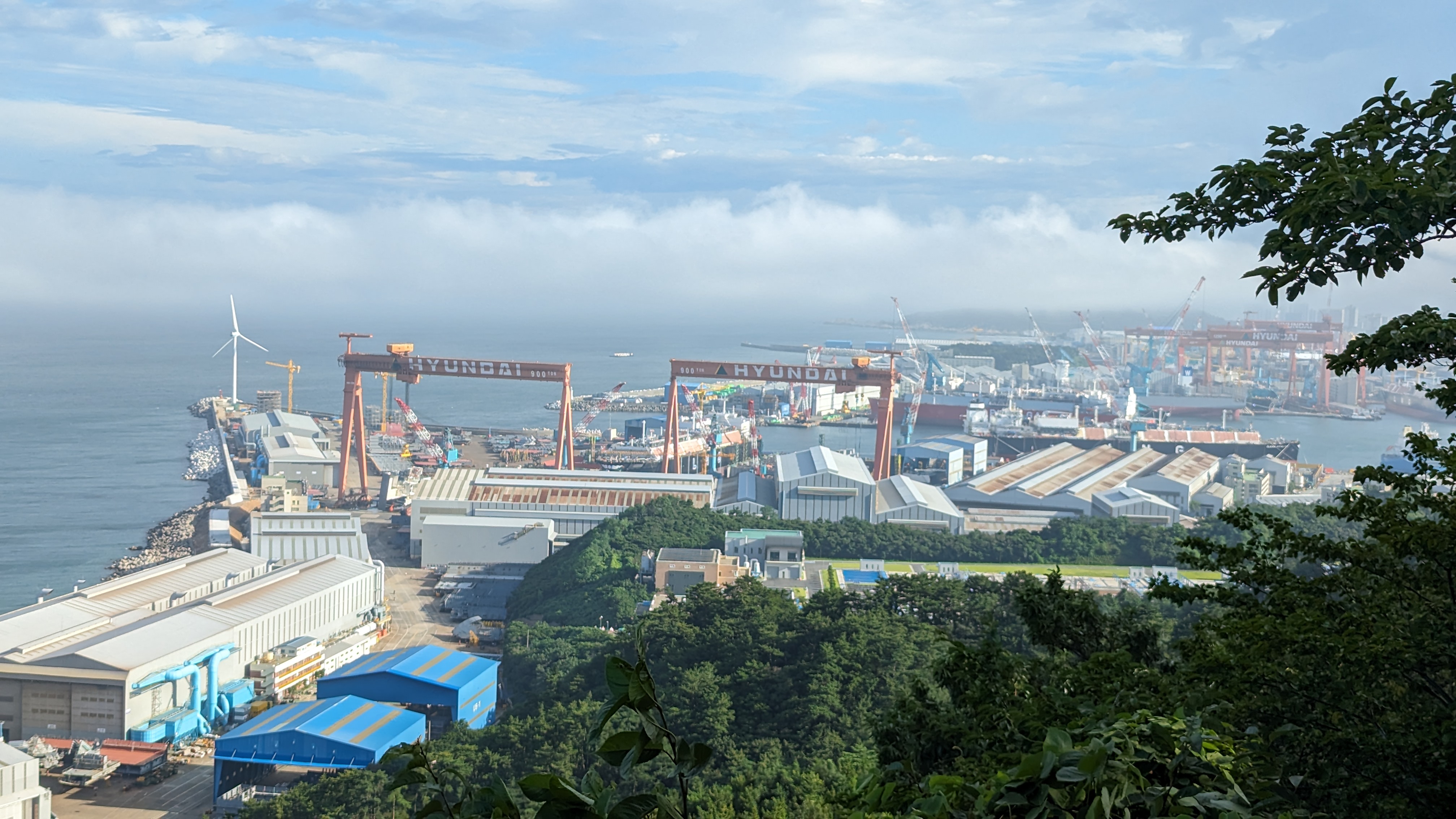
Siemens Digital Industries Software and South Korea's HD Hyundai have signed a multimillion-dollar deal to deploy artificial intelligence and digital twins in shipbuilding, aimed at modernizing the US shipbuilding industry.
Siemens Digital Industries Software and South Korean conglomerate HD Hyundai announced a multimillion-dollar technology partnership on July 23, 2026, in Washington. The goal is to build a repeatable digital shipyard model that unites ship design, production and operation into a single system powered by artificial intelligence and digital twins.
What the Deal Covers
HD Korea Shipbuilding & Offshore Engineering will deploy the full Siemens Xcelerator portfolio to build what's known as a digital shipyard, a model that unifies design, engineering, production and logistics data within a single digital environment. In practice, this means every stage of shipbuilding, from design through production to sea trials, will be tracked and optimized in real time by AI systems.
The companies plan to jointly develop and commercialize scalable solutions for shipyards at different stages of digital maturity, from traditional yards seeking modernization to advanced military and commercial programs that need greater scale and efficiency.
Physical AI and Digital Twins
A key part of the project is building an industrial-metaverse-based digital representation of ships and shipyard grounds. HD Hyundai is working to deploy what it calls physical artificial intelligence, systems trained through reinforcement learning on synthetic data within a virtual environment built on Siemens' digital twin technology, before they are put to work in the real, complex conditions of shipyard production.
As a leader in industrial AI, automation and digital twin software, Siemens is uniquely positioned to help transform how shipyards design, build and maintain the next generation of vessels - Tony Hemmelgarn, President and CEO of Siemens Digital Industries Software
AI is not just a tool for improving productivity, but a transformative technology that is reshaping how ships are designed, built and operated - H.K. Kim, President and CEO of HD Korea Shipbuilding & Offshore Engineering
Why the US
The partnership carries particular weight for the US market. In recent months, the US government and industry have been investing heavily in rebuilding maritime manufacturing capacity, after years of declining US share in global shipbuilding relative to South Korea and China. Siemens and HD Hyundai say they will jointly conduct modernization assessments of American shipyards, develop digital transformation roadmaps, identify pilot deployments, and engage regional authorities and commercial companies.
HD Hyundai has been expanding its presence in the United States for some time, including through capital investments in the domestic shipbuilding industry. The agreement with Siemens is meant to serve as the technological foundation for that expansion, providing a ready-made, repeatable digital shipyard model that can be deployed at both existing and newly built facilities.
What It Means for the Industry
For the shipbuilding industry, one of the most complex manufacturing sectors, involving hundreds of suppliers, thousands of components and construction cycles spanning years, unifying data within a single digital 3D model could meaningfully shorten design timelines and reduce the scheduling errors that can prove costly in this business. Earlier deployments of Siemens tools at Hyundai Heavy Industries facilities in Korea already showed that centralizing product data cuts down on duplicated work and speeds the exchange of design information between departments.
For Polish readers following industrial AI applications, this is another example that artificial intelligence in heavy industry is no longer limited to chatbots or text generation, but increasingly means physical systems learning in simulation before they ever reach the production floor. Polish shipyards and heavy industry facilities are watching similar trends, though so far on a much smaller scale than this Korean-American agreement.
The companies did not disclose the contract's financial value, describing it only as a nine-figure agreement. No timeline was given for the first pilot deployments at American shipyards, nor was a list provided of the specific facilities that will be first to use the new platform.