News
Samsung Unveils Smart Glasses With Gemini and Snapdragon AR1 Chip
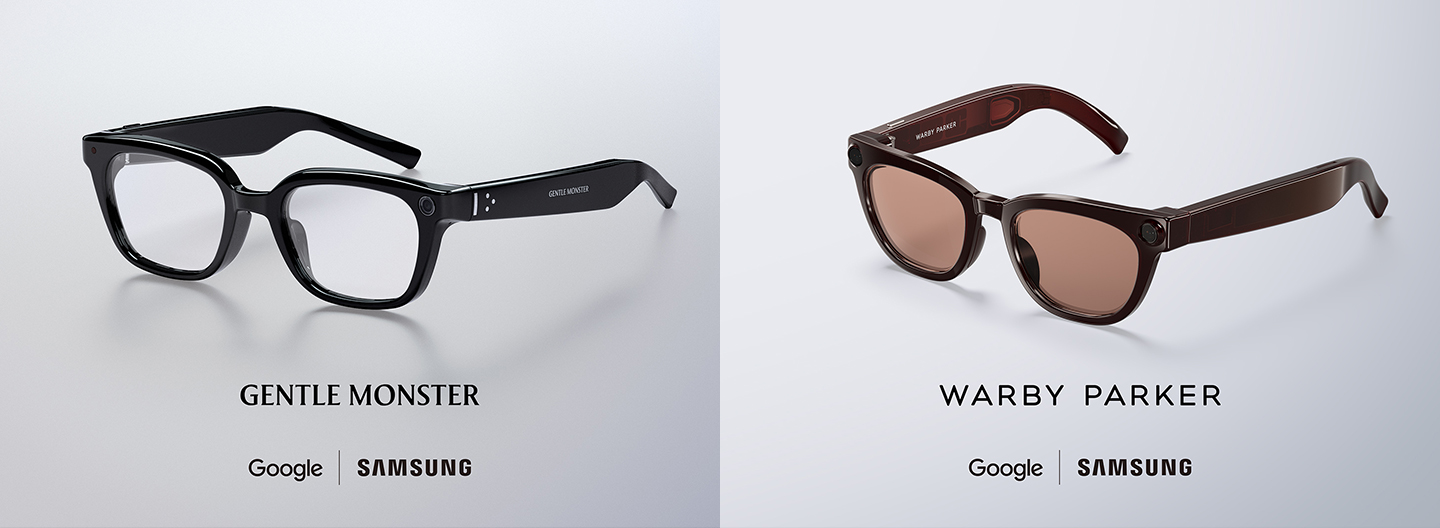
At Galaxy Unpacked in London, Samsung officially unveiled its first smart glasses featuring the Gemini assistant and a Snapdragon AR1 processor, designed in collaboration with Gentle Monster and Warby Parker.
Samsung has entered the smart glasses market. At its Galaxy Unpacked event in London, the company officially showed off a device it calls "Intelligent Eyewear" in press materials, though media outlets quickly dubbed it the Galaxy Glasses. The glasses skip a display entirely, focusing instead on audio, a camera, and an all-day Gemini assistant.
Specs Without a Screen
Unlike competing designs with built-in displays, Samsung opted for a pure audio-and-camera approach. The glasses weigh about 50 grams and pack two microphones along with open directional speakers that don't block the ear canal. Connectivity comes via Bluetooth 5.3 and Wi-Fi, while controls rely on touch sensors on the temple and gestures that require pairing with a Galaxy Watch 9.
At the heart of the device is Qualcomm's Snapdragon AR1 Gen 1, a chip designed specifically for thin, lightweight AI-enabled glasses. The whole system runs on the Android XR platform, with a version of Gemini optimized for wearables serving as the main assistant. The battery lasts up to 9 hours, and the included charging case can recharge the glasses seven more times without needing an outlet.
Features and Privacy
Samsung is pitching the glasses as a tool for real-time conversation translation, live navigation, and message summarization. A separate feature lets users record a whiteboard or a meeting and automatically save notes to the Samsung Notes app, while video calls can be made hands-free, sharing a first-person view with the other party.
The company also addressed the privacy of bystanders. An LED indicator lights up whenever the camera is active, and a sensor that detects when the glasses are removed from the face automatically shuts off the lens. The device only works paired with Samsung Galaxy smartphones, tying it to the company's own ecosystem.
Partnering With Designers
Instead of the typical tech-gadget look, Samsung chose to work with established eyewear brands. Gentle Monster designed a black frame with a straight top line and a rounded lower edge, while Warby Parker contributed a warm brown, tortoiseshell version with a subtly curved brow line. The battery engineering effort with Qualcomm even got its own code name, Power Camp.
Intelligent eyewear creates a new interaction point, bringing more personalized AI assistance naturally into everyday life - Won-Joon Choi, Chief Operating Officer, Mobile eXperience Business, Samsung
Built on the Android XR platform, intelligent eyewear combines world-class design with advanced Gemini assistance that responds naturally to what you see - Sameer Samat, President of Android Ecosystem, Google
Price and Release Date
Samsung did not disclose an official price for the glasses during the presentation. Ahead of the event, unofficial reports circulating online cited figures between $379 and $499, though the company confirmed neither number. The market launch is planned for fall 2026, initially in select markets only, with no specific countries or exact date given.
This is a first-generation product, so Samsung still has room to refine the lineup before a wider sales rollout. Unofficial leaks already point to a pricier model with a micro-LED display planned for 2027, but it wasn't part of today's presentation and remains speculative for now.
For the Polish market, the launch marks another stage in the smart glasses race, with Samsung joining Meta and Google as a company building wearable hardware on top of a large language model. Gemini's wearable-focused version is becoming even more ubiquitous as a result, moving beyond phones and tablets and straight onto users' faces.