News
New York Times Seeks Sanctions Against OpenAI Over Alleged Evidence Concealment in Copyright Case
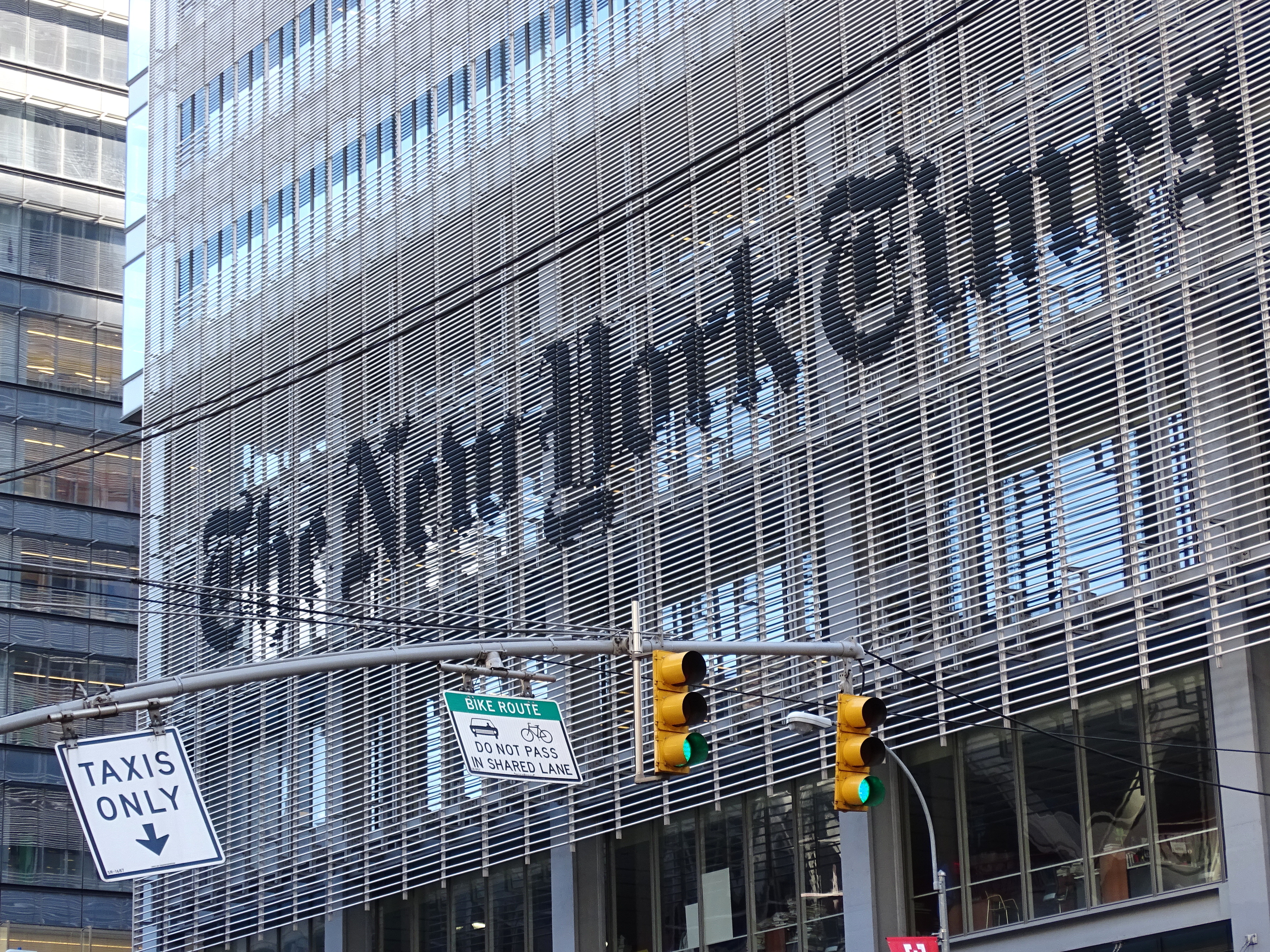
The New York Times and a group of other publishers have asked a Manhattan federal court to sanction OpenAI for allegedly hiding datasets and ChatGPT logs that would prove the models were trained on millions of articles without permission. This marks an escalation of the copyright lawsuit that has been ongoing since 2023.
On Thursday, July 9, 2026, The New York Times led a group of publishers in filing a motion in Manhattan federal court seeking sanctions against OpenAI for allegedly concealing evidence in the copyright infringement lawsuit. The publishers claim the company knowingly misled the court about its ability to search its systems for copyrighted material.
The allegations are based on testimony given during a February deposition of an OpenAI employee, which reportedly revealed that the company had searched its training datasets and model outputs, despite previously claiming it lacked the technical ability to do so. The publishers add that OpenAI deleted some ChatGPT logs, which they say violates a court order to preserve evidence issued early in the proceedings.
Plaintiffs' Arguments
In the filing, lawyers representing the publishers wrote bluntly that the company chose obstruction instead of cooperating with the court.
Rather than simply producing this evidence at the outset of the case and focusing on the merits of its fair use defense, OpenAI chose obstruction - from the plaintiffs' attorneys' motion filed in Manhattan federal court
The plaintiffs are asking the court to punish OpenAI for what they describe as misconduct during discovery, arguing that the company distorted the picture of the case through selective disclosure of information. This is not the first time a party suing OpenAI has accused the company of obstructing access to materials relevant to determining whether training language models on copyrighted content falls within the bounds of fair use.
OpenAI's Response
OpenAI spokesperson Drew Pusateri denied the allegations, saying it is actually The New York Times that is trying to gain access to private ChatGPT user conversations as the newspaper's case weakens. The company has consistently maintained that training models on publicly available articles falls within the fair use provisions of US copyright law.
Other newsrooms owned by MediaNews Group, including Daily News and Chicago Tribune, also joined the sanctions motion, along with digital publisher Ziff Davis, owner of CNET, and the nonprofit Center for Investigative Reporting. The broad roster of plaintiffs shows that the dispute extends beyond a single publisher and touches on the entire relationship between the news industry and large language model developers.
What It Means for the Industry
The case has been running since 2023 and is regarded as one of the most important precedents for the future relationship between publishers and AI companies worldwide, including in Poland, where domestic media outlets are increasingly voicing similar concerns about their content being used to train models without compensation. The outcome of the case, including any procedural sanctions against OpenAI, could shape the evidentiary standards applied in similar disputes elsewhere in the world.
If the court grants the plaintiffs' motion, OpenAI could be forced to disclose additional training data or face procedural consequences that would weaken its position as the case proceeds on the merits. A ruling on the sanctions motion is expected in the coming weeks, though the main trial itself could still drag on for a long time.
Sources: News outlets urge a judge to sanction OpenAI in a high-stakes AI copyright fight (Washington Post), New York Times says OpenAI hid evidence in ChatGPT copyright trial (TechCrunch)