News
KDDI and Google Launch Joint Support Program for Japanese AI Startups

KDDI and Google's AI Futures Fund have announced a program giving selected Japanese AI startups joint funding of up to $2 million along with early access to Google DeepMind's Gemini and Nano Banana models.
Japanese telecom operator KDDI and Google's AI Futures Fund announced a joint support program for domestic artificial intelligence startups on July 28, 2026. The program bundles capital, access to Google DeepMind's latest models, and computing infrastructure into a single package aimed at Japanese AI service developers.
What the Program Offers
The program rests on four pillars. The first is direct equity investment, jointly funded by KDDI and Google AI Futures Fund, reaching up to $2 million per startup. The second is early access to Google DeepMind's models, including Gemini, the Nano Banana image generator, and the Lyria audio model, before they reach general commercial availability.
The third pillar is technical support from Google DeepMind engineers in building products, and the fourth is KDDI's infrastructure and customer network. Specifically, that means access to a sovereign, locally hosted version of Gemini known as "Gemini on GDC," launched at the Osaka-Sakai data center, along with trial access to the KDDI GPU Cloud service and free Google Cloud credits.
Why Now
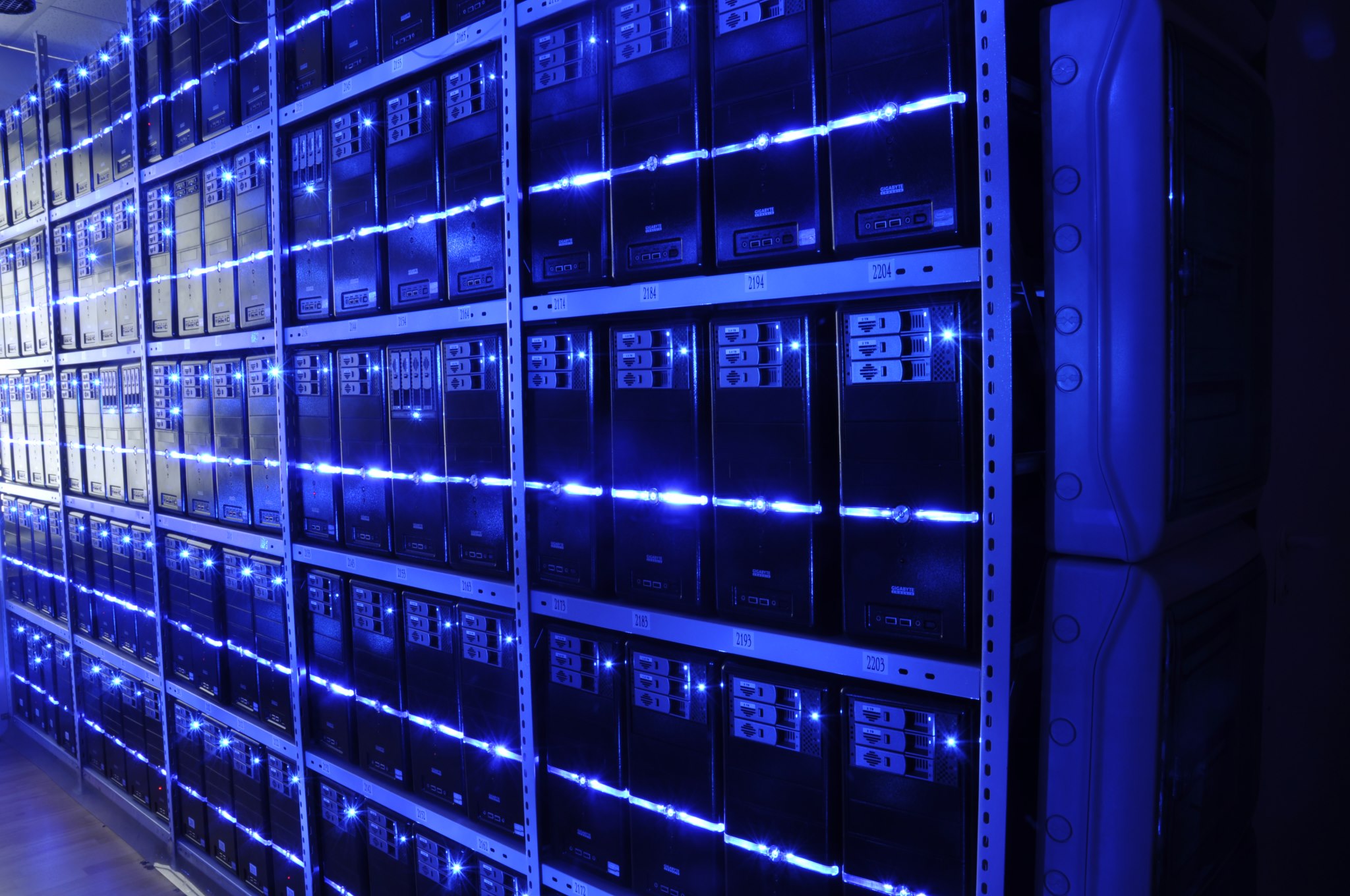
KDDI has spent months expanding its own AI infrastructure. The Osaka-Sakai data center went live in January 2026 and was designed from the start to run Google models, including Gemini, for clients in the pharmaceutical and manufacturing sectors. The startup program is a natural extension of that strategy, moving it from large corporations to smaller, younger companies that lack the budget to buy computing power or access to the latest models on their own.
For Google, this is another step in building an ecosystem around Gemini in Asia, following a model similar to earlier agreements the company has struck with local operators and governments, where investment and model access come bundled with local cloud infrastructure.
A defining feature of this program is that we comprehensively provide the infrastructure needed to develop next-generation AI services - Shunpei Tatebayashi, KDDI
KDDI's New Buffmee Service
Alongside the program announcement, KDDI also unveiled its own conversational AI service called Buffmee, which draws on around 150 content sources, including books, magazines, and online media. This shows that KDDI treats its partnership with Google not only as an investor in external startups, but also as a foundation for its own products built on Google DeepMind's models.
What It Means for Poland
For Polish companies and investors, this is another example of a model in which a major telecom operator joins forces with an AI model provider to lower the barrier to entry for local startups, rather than competing with them for cloud customers. Similar programs combining capital, model access, and infrastructure are appearing increasingly often in Europe too, and Polish AI startups, of which more than 13,000 are reportedly now operating, could be recipients of comparable initiatives from operators or public clouds.
The KDDI and Google program also shows that access to the latest models before they reach general availability is becoming its own bargaining currency in relations between major AI providers and local infrastructure partners. For a startup, that means a time advantage over competitors relying solely on publicly available versions of the models.
KDDI plans to bring around five companies into the program each year, making it a selective, boutique tool rather than a mass accelerator. Details of the startup selection process and the names of the first participants have not yet been announced.