News
Google to Build Its Own Research Space on Ohio State University's Campus
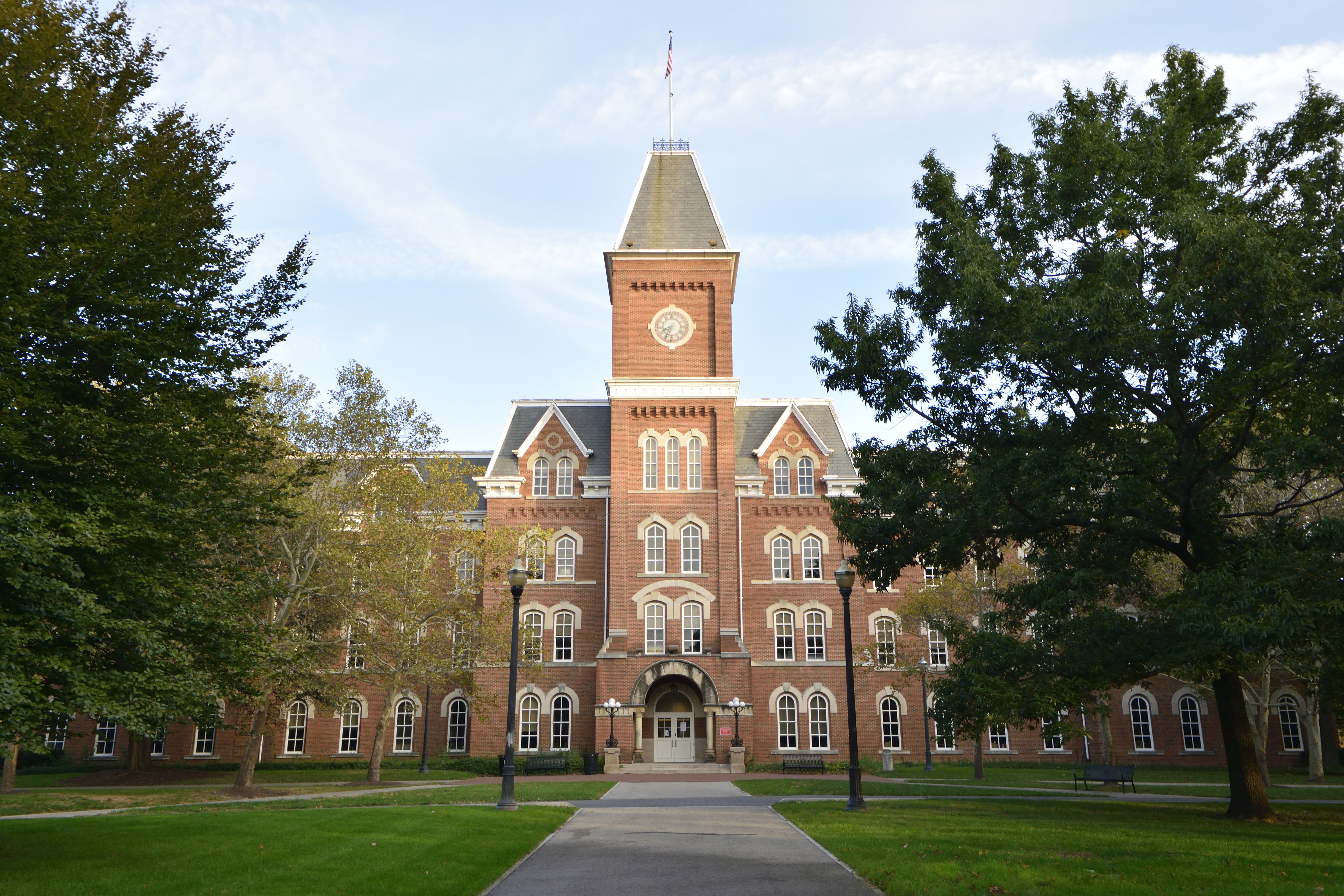
Google is joining Ohio State University's Innovation District, marking one of its broadest foundational collaborations with a US university. Students will get access to a Google DeepMind lab and a new Google Public Sector internship program.
Contents
Google announced it will open its own space on the campus of Ohio State University as part of the Innovation District being built there. It is one of the company's broadest collaborations with a US public university, and one of the first times Google has placed a dedicated facility directly on a university campus.
According to university spokesman Ben Johnson, the agreement is one of Google's largest foundational collaborations with any US university, and the company's space will be one of the first located directly on a university campus in the United States. Ohio State has not yet disclosed the investment amount or an exact opening date for the facility, saying only that a formal presentation will follow in the fall.
What the partnership covers
A key element of the agreement is student and researcher access to the Google DeepMind research lab, the unit responsible for the company's most advanced artificial intelligence projects. The university also says it will roll out personalized AI assistants for students and launch an internship program through Google Public Sector, described as the first of its kind nationwide.
The program is meant to let students work directly on research projects run jointly with Google teams, setting it apart from the typical sponsorship deals or research grants that large tech companies usually strike with universities.
Building on the AI Fluency initiative
The new space isn't emerging in a vacuum. Ohio State launched its AI Fluency program in 2025, aiming to ensure that every graduate, regardless of major, has a basic working knowledge of AI tools. The goal is set to be fully in effect starting with the class graduating in 2029.
An earlier stage of the collaboration with Google Public Sector included making the Gemini model and the NotebookLM research tool available to the university's academic community during the Data & AI Day event at Ohio Stadium. The new on-campus space is meant to be the next step in the same direction, this time with the company's physical presence on university grounds.
Ohio State has both the opportunity and the obligation to prepare students not just to keep up with the workforce of the future, but to lead it - Walter Ted Carter Jr., President of Ohio State University
Why it matters for the talent race
Large tech companies have spent months competing not just for computing power and data, but above all for skilled AI researchers. Building a permanent presence at large public universities like Ohio State, which has more than 60,000 students, gives Google direct access to a pool of future employees before they even enter the job market, while also letting it shape curricula around its own tools.
For the university, it's a way to differentiate its educational offering at a time when employers increasingly expect graduates to have practical knowledge of AI tools, not just theoretical understanding. Ohio State is positioning itself this way as one of the leaders among US public universities in bringing AI into education.
What's next
For now, there are no hard financial figures or a construction timeline for Google's space on campus. The university has said that full details, likely including the size of the investment and the scope of the research collaboration, will be revealed at the formal presentation in fall 2026. Only then will it be possible to judge whether the project goes beyond a symbolic brand presence on campus and translates into real jobs and research published by DeepMind teams.