News
Google DeepMind Workers Vote to Unionize Over Military Contracts
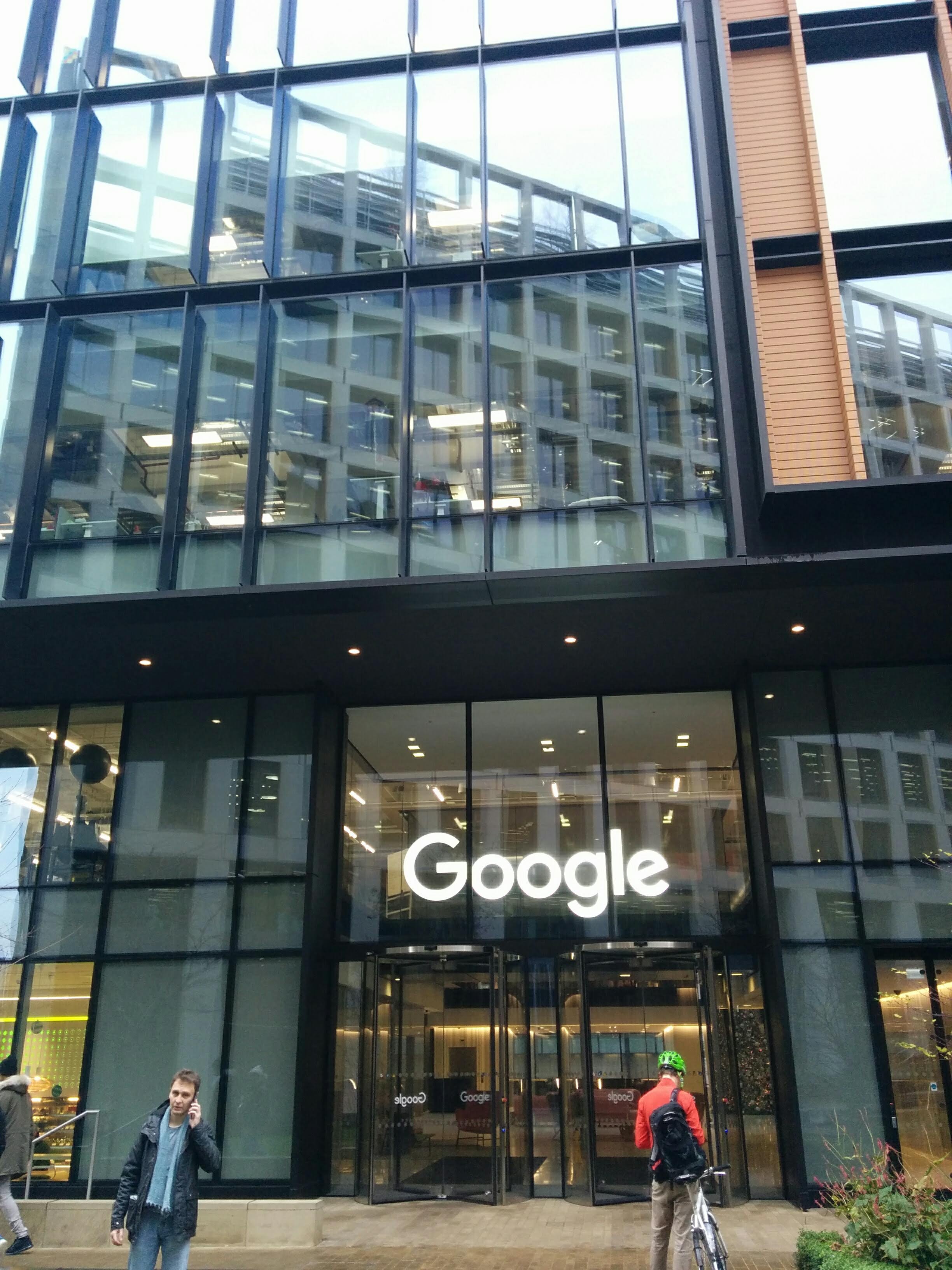
98 percent of CWU union members at Google DeepMind's London office backed a push for formal union recognition, opposing the Pentagon's and Israel's military use of Gemini models.
Contents
Employees at Google DeepMind's London office have voted to push for formal union recognition, citing opposition to the company's military contracts as the primary reason. It is the first initiative of its kind at a lab developing some of the world's most advanced artificial intelligence models.
The vote was run by the UK's Communication Workers Union (CWU) among its members employed at DeepMind. The result, 98 percent in favor, came from roughly 300 people, but organizers want recognition to extend to all of the more than 1,000 employees at the London office at 6 Pancras Square in King's Cross. The formal request was sent in a letter to Google's UK managing director, Debbie Weinstein.
Dispute over military contracts
The immediate trigger for the dispute is Google's agreement to let the US Department of Defense use Gemini models on classified military networks for any lawful government purpose. Critics, including some DeepMind employees, warn that the deal as written opens the door to uses in autonomous weapons and mass surveillance of citizens, with few enforceable limits.
The second flashpoint is Project Nimbus, the $1.2 billion cloud contract with Israel signed jointly by Google and Amazon in 2021. The deal has drawn objections from parts of Google's workforce for years, and after two years of war in the Gaza Strip, criticism has intensified since the infrastructure covered by the contract is also used by the Israeli military.
Retreat from ethical commitments
Union organizers stress that the current situation contradicts Google's earlier public commitments. In February 2025, Alphabet removed from its published AI principles a passage pledging that the company would not use AI in weapons systems or in surveillance that violates international norms. Earlier, in 2019, Google also disbanded its own internal AI ethics council following a wave of employee protests.
The union's demands include restoring the scrapped ethical pledge, establishing independent ethical oversight of projects, and giving individual employees the right to refuse to work on projects that conflict with their conscience without professional consequences.
Echoes of Project Maven
The current dispute recalls events from 2018, when more than 4,000 Google employees signed a petition against the company's involvement in Project Maven, a Pentagon program using AI to analyze drone footage. Employee pressure at the time led Google to withdraw from the contract. Organizers of the current DeepMind initiative hope for a similar outcome, this time through a lasting union structure rather than a one-off petition.
By exercising their right to organize, workers are in a strong position to demand that their employer stop dancing around ethics-washing - John Chadfield, CWU national representative
I hope this will help workers help DeepMind and Google leadership find their spine - anonymous Google DeepMind employee
Google DeepMind responded to the reports with a statement saying no formal vote on forming a union had taken place, suggesting the reported vote was an internal poll among CWU members rather than an official recognition procedure directed at the employer. That distinction carries legal weight in the UK, where formal union recognition requires a separate process on the company's part.
First union at an AI lab
If the CWU and Unite the Union win formal recognition, Google DeepMind would become the first leading frontier AI lab with a formally recognized employee union. So far, neither OpenAI, Anthropic, nor xAI have comparable union structures within their research teams.
The case fits into a broader trend of deepening ties between large tech companies and the military. Besides Google, Pentagon contracts for the use of AI models have already been signed by OpenAI, xAI, Nvidia, Microsoft, and Amazon. Anthropic is among the few companies to have declined some of these commitments, which has drawn criticism from the US administration.
For observers of the AI market, the case shows that tensions between the commercial use of AI models and their military applications are increasingly translating into concrete worker action rather than just statements. Google's management now has ten days to decide whether to voluntarily recognize the union or force organizers to take the matter to the UK's Central Arbitration Committee.