News
District 9 Director Unveils Fully AI-Generated Short, Plans Feature Film
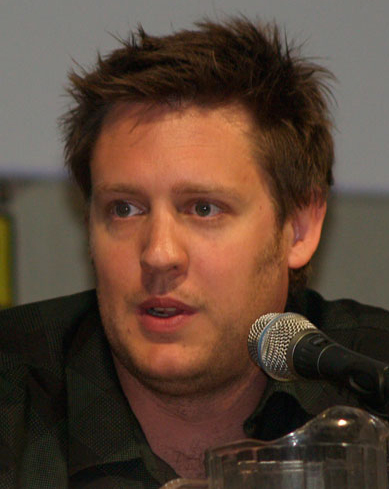
Neill Blomkamp released a 13-minute AI-generated sci-fi short titled Nightborne, made entirely with the Seedance 2.0 video model, and announced a feature-length production using the same technology under his new studio, Barley Studios.
Contents
Neill Blomkamp, director of District 9, released a thirteen-minute science fiction short titled Nightborne on YouTube on July 20, 2026, with every frame generated using generative artificial intelligence. It marks the first fully completed film project by the director made without traditional cameras, a physical set, or a camera crew.
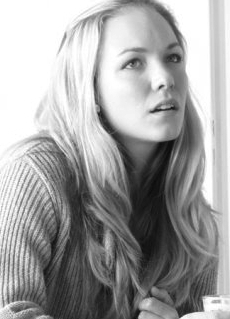
Nightborne's plot, told in a quasi-documentary style, follows an American fighter pilot presumed dead after being shot down, though evidence suggests she was instead enrolled in a secret military program that returns fallen soldiers to combat. Blomkamp directed the production frame by frame using text prompts, guiding the AI model much as he would once have directed a camera crew.
The humans behind the machine
Although every image on screen was generated by artificial intelligence, the project was not made without human involvement. Character and set concepts were created by traditional concept artists, and the faces and voices of the characters belong to 32 real people who agreed to have their likenesses used in the production. That sets Nightborne apart from many earlier AI film experiments, which often lacked clear consent for the use of people's likenesses.
NIGHTBORNE is the first full test AI film I have made - Neill Blomkamp, director
From test to feature film
Blomkamp makes no secret of treating Nightborne as a starting point rather than an end in itself. The director has been experimenting with generative AI for several years, and views his latest short as proof that the technology has matured enough to support a feature-length production.
it's now at the point where I want to tackle a full feature in this format - Neill Blomkamp, director
The feature-length AI film is set to be produced by the newly formed Barley Studios. It succeeds Oats Studios, the company Blomkamp had run since 2017, which specialized in short productions shot using traditional methods combined with visual effects. The shift from Oats to Barley marks a change in production model, from classic filmmaking to a fully generative approach.
A career of unfinished projects
Since his acclaimed 2009 debut with District 9, Blomkamp has struggled with a string of projects that never made it to screens in their announced form, including work on a new entry in the Alien franchise and a RoboCop reboot. Some observers note that generative AI, which can cut production costs and logistics to a minimum, may give the director a real shot at realizing ambitious science fiction concepts that previously stalled in development due to studio budgets.
Industry reaction
Nightborne's release drew sharp criticism from some viewers and filmmakers, who see Blomkamp's decision as a departure from cinematic craft in favor of a technology associated with job losses in the creative industry, disputes over copyright in training data, and doubts about artistic quality. Blomkamp is not alone in this shift, though: other established directors, including Roger Avary and Alex Proyas, are running similar experiments with generative video.
For Poland's film and advertising market, Blomkamp's announcement signals that tools like Seedance 2.0 are moving beyond experimental short films and starting to genuinely compete with classic production on projects involving recognized creators. If Barley Studios' feature-length project comes together at the pace announced, it could become a reference point in the debate over the costs and limits of using AI in large-scale narrative filmmaking.