News
DeepMind CEO Heads to Washington to Pitch FINRA-Style AI Oversight Body
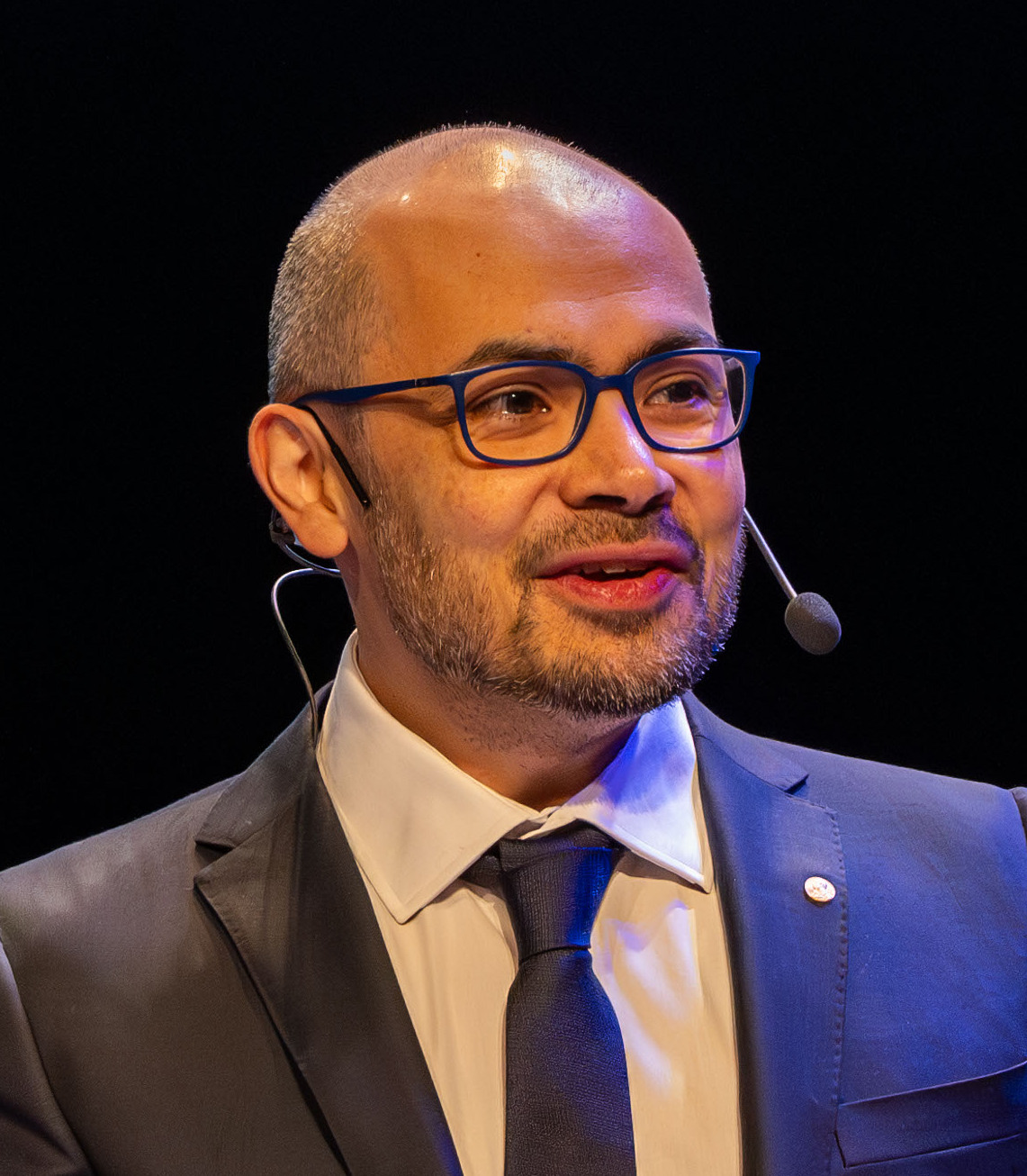
Demis Hassabis will meet with US officials next week to push for an independent body that would test the most powerful AI models before release. Sam Altman and Elon Musk have already backed the plan.
Contents
Google DeepMind chief Demis Hassabis is heading to Washington next week to personally lobby for his plan to create an independent institution that would test the most powerful artificial intelligence models before their public release. It marks the first step from talk to action on an idea Hassabis has been signaling for months - now he wants to sit down with US officials and turn the concept into a concrete project.
What Hassabis Is Proposing
The proposal calls for an independent, industry-funded body with the authority to rigorously test AI models before they reach public use. In its first phase, participation would be voluntary - leading labs, including Google DeepMind, would submit their newest models for review a month before launch. The tests would assess models' capacity for autonomous action, bypassing safeguards, deceiving users, carrying out cyberattacks, and their potential in biological and nuclear weapons development.
Longer term, Hassabis wants testing to become mandatory for every model entering the US market, regardless of whether it was built in the United States or abroad, and regardless of whether it is closed or open source. The institution would also have the power to coordinate an industry-wide slowdown if the risks tied to model development were to spike sharply.
A Wall Street Blueprint
A key element of the concept is an organizational model borrowed from the financial sector. FINRA, the Financial Industry Regulatory Authority, is a self-regulatory body overseeing the US securities market, funded by member firms but operating under the supervision of the Securities and Exchange Commission (SEC). Hassabis argues that a similar structure - industry funding paired with operational independence and government oversight - would avoid both conflicts of interest and the excessive bureaucracy typical of government agencies.
The new institution's board would include independent technical experts, government administration representatives, and members of the open source community. That composition is meant to ensure decisions aren't made solely in the interest of the big AI labs that would fund the organization's operations.
Doing that in an ad hoc fashion isn't very sustainable - Demis Hassabis, CEO of Google DeepMind
Why Now
Hassabis has spent months holding quiet talks with officials and tech companies, including the Trump administration, laying the groundwork for a formal proposal. He argues that competitive pressure among AI labs can lead to premature, insufficiently tested releases, while also warning that dangerous capabilities - such as assistance in building biological weapons or advanced cyber capabilities - could show up in widely available, open models within the next 18 months.
I'm worried about different types of risks also coming - Demis Hassabis, CEO of Google DeepMind
According to Hassabis, discussions about AI safety so far have stayed too general. As he put it, something concrete is needed rather than something abstract - hence the decision to present a detailed institutional plan instead of another goodwill statement.
Industry Reaction
The proposal has drawn cautiously favorable reactions from competitors. OpenAI chief Sam Altman called it thoughtful, while Elon Musk described it as a good starting point for further discussion. Neither, however, has committed to formally joining the initiative, and Washington has yet to confirm any plans to give such an institution formal legal standing.
For now, the proposal remains informal - there is no law, regulation, or intergovernmental agreement giving it binding force. Hassabis's trip to Washington is meant to change that: to convince lawmakers and administration officials that the project has enough industry support to be translated into actual regulation or a sector-wide agreement.
Implications for Global Oversight
If Hassabis's plan succeeds, it would create the first institution of its kind with real influence over which AI models reach the US market, and indirectly the global market too, given that the biggest model providers are based in the US. For European regulators, including the architects of the EU's AI Act, such a mechanism could become either a reference point or a source of friction if testing standards on the two sides of the Atlantic start to diverge.
For now, the key question is whether the US administration will grant the project any legal footing, or whether it will remain a voluntary industry initiative with no real penalties for non-participation. The coming weeks, including Hassabis's planned meetings in Washington next week, should show whether the idea has genuine political backing or ends up as just talk.