News
AI Autonomously Flew an F-16 Fighter Jet in the US
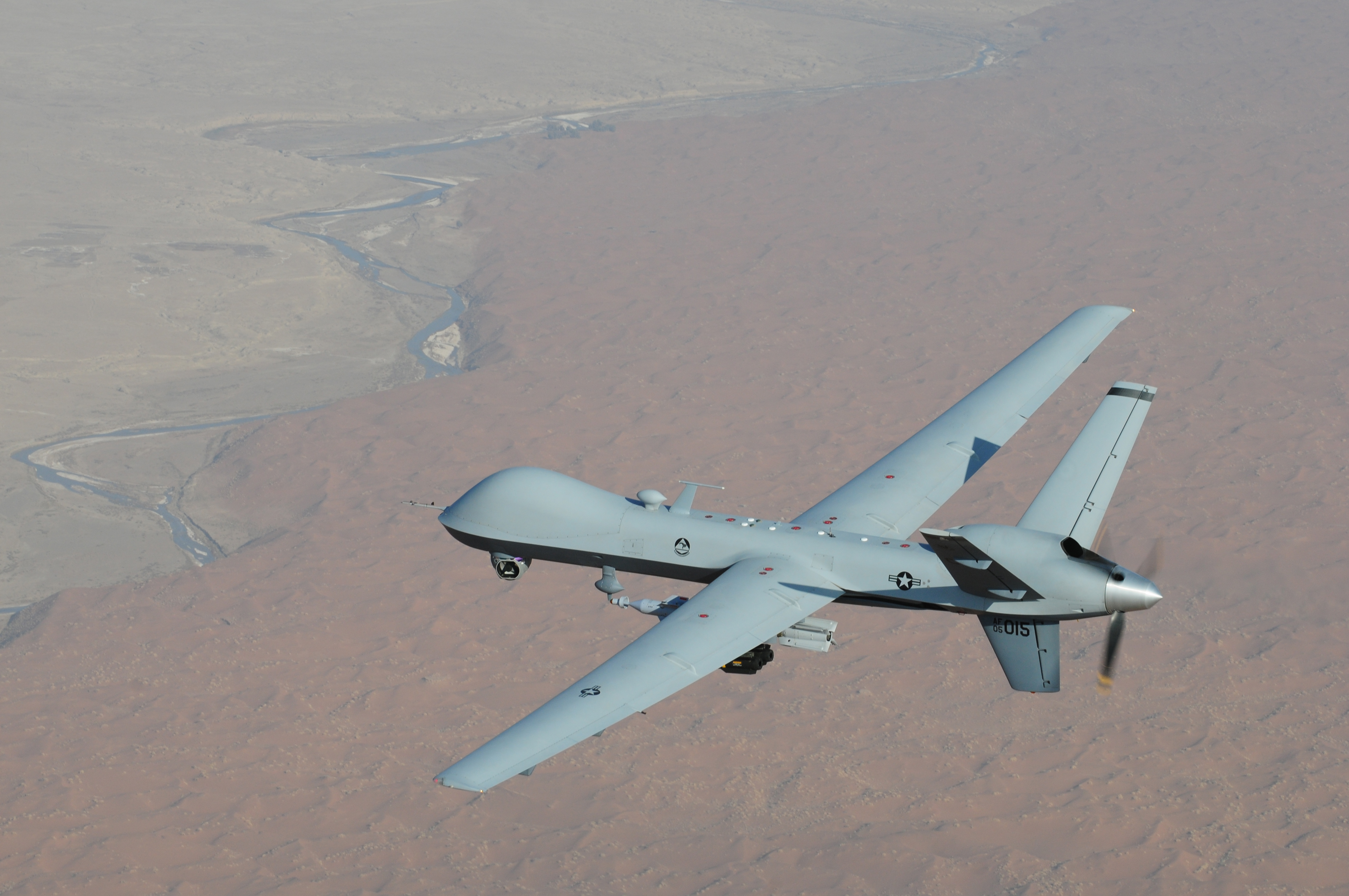
DARPA and the US Air Force announced that a modified F-16 from the VENOM program flew for the first time under full AI control, with the pilot remaining in the cockpit only as an observer.
Contents
An artificial intelligence agent flew a modified F-16 fighter jet on its own for the first time during a flight from Eglin Air Force Base in Florida. The test, announced by DARPA and the US Air Force on July 16, 2026, marks another step in the VENOM program, which aims to lay the groundwork for future fleets of uncrewed combat aircraft flying alongside piloted fighters.
The modified hardware and software package, called the VENOM Autonomy Kit, connects to the aircraft's flight control and mission systems. This lets the pilot switch the aircraft between manual mode and algorithmic control at any moment, while retaining full ability to take back the controls. During the July flight, a test pilot from the 40th Flight Test Squadron at Eglin took off with the aircraft, then handed control over to the AI and monitored its performance until landing.
From X-62A VISTA to an operational fleet
VENOM isn't the first program in which AI has taken the controls of a US fighter jet. In April 2024, the one-of-a-kind X-62A VISTA experimental aircraft, rebuilt from an F-16D, took part in the first-ever human-versus-algorithm aerial dogfight under the Air Combat Evolution (ACE) program. The difference is that VISTA was a unique test aircraft, while VENOM brings the same capabilities to production F-16s that are far cheaper to maintain, intended to show that the technology can be scaled across an entire fleet.
The AIR program takes over
The VENOM fleet is now set to form the backbone of a new DARPA program called Artificial Intelligence Reinforcements (AIR), under which numerous different AI agents will be run through the aircraft in real flights. The goal is to develop a model in which a single pilot will eventually command entire teams of uncrewed combat aircraft, rather than sitting at the controls of just one machine.
These groundbreaking tests of modified F-16s from the VENOM program are building out the infrastructure for autonomous systems. AI holds enormous potential, but many hard questions about trust remain - Brig. Gen. James "Fangs" Valpiani, DARPA program manager
We now have the opportunity to build dominant autonomy for beyond-visual-range, multi-aircraft operations - Lt. Col. Patrick "Dice" Highland, AIR program manager
Safety and human oversight
Both DARPA and the Air Force stress that a pilot remains in the cockpit on every flight and can override the algorithm at any moment. This setup is meant to address concerns about handing armed aircraft over to autonomous systems that have yet to be fully validated in combat conditions. Test pilot Tim Stevens of the 40th Flight Test Squadron at Eglin called the flight a milestone for the entire, complex research program.
The program is part of the broader US race toward Collaborative Combat Aircraft (CCA), inexpensive uncrewed combat aircraft meant to fly as "loyal wingmen" alongside crewed fifth-generation fighters. VENOM is intended to supply real-flight data that will speed up development of the algorithms controlling such aircraft before they enter series production.
What this means for Europe and Poland
For readers in Poland, the key point is the regional context: Poland operates its own fleet of F-16s, and the development of autonomous flight technology on the same airframe means that systems being tested today at Eglin could theoretically be extended in the future to allied NATO air forces that fly the same aircraft. For now, however, the program remains in an experimental phase, and the Pentagon has not announced any plans to export VENOM technology.
The next step will be expanding the number of AI agents tested on the VENOM fleet under the AIR program, along with trials in which several autonomous aircraft operate together at once. DARPA says it will publish further test results as the work progresses, with the technology ultimately intended to feed into the future Collaborative Combat Aircraft programs the US Air Force is developing.